
REVIEW · GOBI DESERT EXPEDITIONS
7 days Central Mongolia and Great Gobi
Gobi silence, then sudden Mongol history. This 7-day Central Mongolia and Great Gobi private route strings together cliff legends, monastery ruins, river falls, and big open sand, with most meals and real overnight time in yurts and local stays. I especially love the mix of nature stops and Mongol-era sites, so the trip feels like both scenery and story in the same week.
The one real consideration is the pace and the elements. You will be out and about all day, and this experience requires good weather, so plan for potential route adjustments if conditions are rough.
In This Review
- Key highlights worth your attention
- A week where you can feel the Gobi working on you
- Price and value: where the $1,500 really lands
- Getting there and living the road life
- Day 1: Baga Gazariin Chuluu caves and rock marks, then Chinggis Khaan in Ulaanbaatar
- Day 2: Tsagaan Suvarga, the White Stupa cliff and erosion’s timeline
- Day 3: Ongi Monastery ruins, Bayanzag lunch, and Middle Gobi village life
- Day 4: Kharkhorin and Orkhon river history at the old Mongol capital site
- Day 5: Orkhon Waterfall, a measurable natural stop near the Ulaan Tsutgalan
- Day 6: Elsen Tasarkhai sand dune, small by choice and camel riding included
- Day 7: A morning with local family, camel trekking, then Hugnu Khan National Park monastery time
- Where you sleep and how to pack for real Mongolian nights
- Meals: what’s included and how to think about the menu
- For solo travelers: why a private guide can make this route feel easier
- Should you book this Central Mongolia and Great Gobi tour?
- FAQ
- Where does the tour start and what time?
- How long is the Central Mongolia and Great Gobi tour?
- Is this tour private?
- What meals are included?
- What does the price include versus not include?
- Are tickets and admissions included for the stops?
- What are some of the main places you visit?
- Does the itinerary include camel riding or trekking?
- What is the cancellation and weather rule?
Key highlights worth your attention
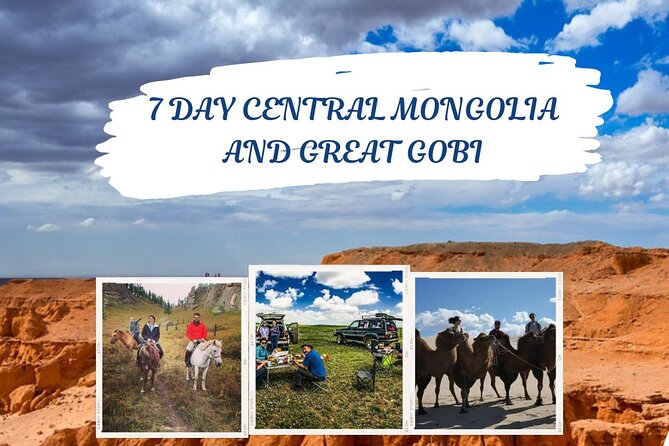
- Private tour flow: only your group, with a pace that can better fit your questions and comfort.
- Iconic cliff stop at Tsagaan Suvarga: a long-remembered erosion story you can see with your own eyes.
- Monastery time at Ongi and Kharkhorin: spiritual remnants plus the practical reality of “ruins you can walk through.”
- Orkhon Waterfall stop: a clear, measurable natural feature near the Orkhon region.
- Elsen Tasarkhai sand dune camel time: a straightforward, classic Gobi feeling, not just a photo stop.
- Guide language support (English and Japanese): praised by past solo travelers for making the trip easier to enjoy.
A week where you can feel the Gobi working on you
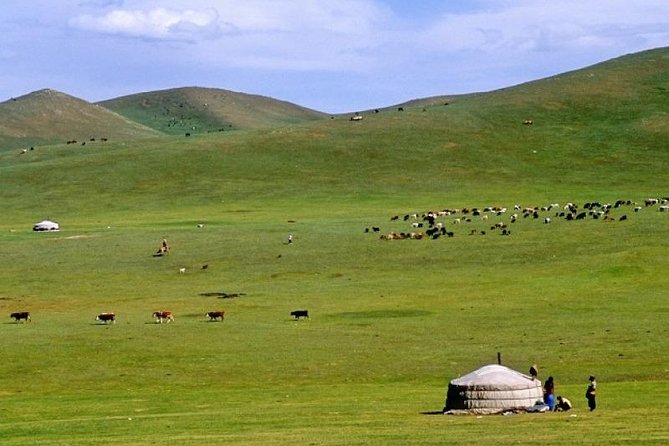
This route is built around Mongolia’s two big personalities: central steppe and the Gobi’s wide, dry extremes. You start close to Ulaanbaatar, then work outward to places where distances matter, horizons stretch, and the sky becomes part of the plan.
What makes it more than a checklist is how the days connect. You go from cave and rock markings to a legendary white cliff, then to monastery ruins and river-country history. By the time you reach the dunes, your brain has already switched gears, so camel trekking and long views feel earned.
Longer hauls south into the Gobi proper
- Ulaanbaatar: Semi-Gobi Desert Day Trip & Camel Ride★ 4.0 · 92 reviews
- Best 6-Day Gobi Tour Discover Mongolia★ 4.9 · 13 reviews
- Travel to Gobi by train Visit World energy Center★ 4.9 · 12 reviews
- 8 Days Tour: Gobi Desert And Kharkhorin★ 5.0 · 10 reviews
- 1 Day Semi-Gobi Tour with Lunch And Enjoying Camel or Horseback★ 5.0 · 9 reviews
Price and value: where the $1,500 really lands
At $1,500 per person for about 7 days, you are paying for a private, guided circuit with transfers and a lot of included time on the ground. That matters because Mongolia is not one of those places where you can cheaply “wing it” and expect smooth logistics.
Here’s what’s included that usually drives real value on a trip like this:
- Accommodations and most meals: breakfast is included on 6 mornings, lunch on 7 days, and dinner on 5 nights.
- Round-trip transfers from Ulaanbaatar: you do not have to coordinate day-by-day transport on your own.
- Selected admission tickets: Baga Gazariin Chuluu and several major stops include tickets; Tsagaan Suvarga and Kharkhorin are listed as free.
What’s not included is also worth noting: personal items, optional activity costs, alcoholic drinks, travel insurance, service tip, and extras like fruit and snack. So if you want wine with dinner or you tend to snack constantly, budget for it.
Finally, there’s a “timing reality” built into Mongolia tours. This one is often booked about 61 days in advance, so if you have firm dates, lock them in sooner rather than later.
Getting there and living the road life
The tour starts at Danista Nomads, Orkhon Street 1-37, BGD – 16 khoroo, Ulaanbaatar 16040 with a start time of 8:30 am. It ends back at the same meeting point.
Most days are about full-day travel plus stops, which is exactly why included meals help. When lunch and dinner are handled, you spend less time searching for food and more time watching how the scenery changes.
Also, this is a private tour, so you are not sharing the van or guide attention with strangers. That typically makes communication easier, especially since the guide support includes English and Japanese fluency, a combination praised by solo travelers.
Day 1: Baga Gazariin Chuluu caves and rock marks, then Chinggis Khaan in Ulaanbaatar
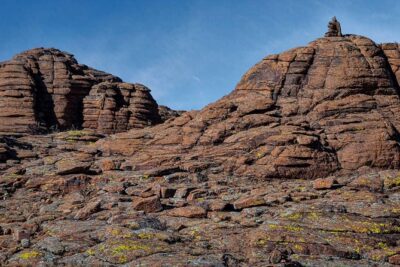
Day 1 gives you an immediate “Mongolia on multiple levels” hit. You begin with Baga Gazariin Chuluu, where the stop is not just a viewpoint. You can see Bolort Cave, rock images, petro glyphs, and burial mounds. The area also includes a ruin of the Choir monastery, said to be established by Zaya Damdin, which gives the whole landscape a layered feel.
There’s also a small, practical surprise in the mix: an eye treatment spa is mentioned alongside the cave and rock features. Whether you stop in for anything beyond sightseeing may depend on what’s open, but the key point is that this area is presented as a place with human stories, not just geology.
Then you pivot back toward modern Mongol pride at the Chinggis Khaan National Museum. It’s described as one of the biggest Chinggis Khaan statue experiences in Mongolia, and admission is included. The day closes with a Ulaanbaatar city viewpoint, so you get a sense of where the road is headed.
Potential drawback: Day 1 is dense. If you hate fast transitions between types of sights, you may want to keep your expectations flexible after the cave and then again after the museum.
Day 2: Tsagaan Suvarga, the White Stupa cliff and erosion’s timeline
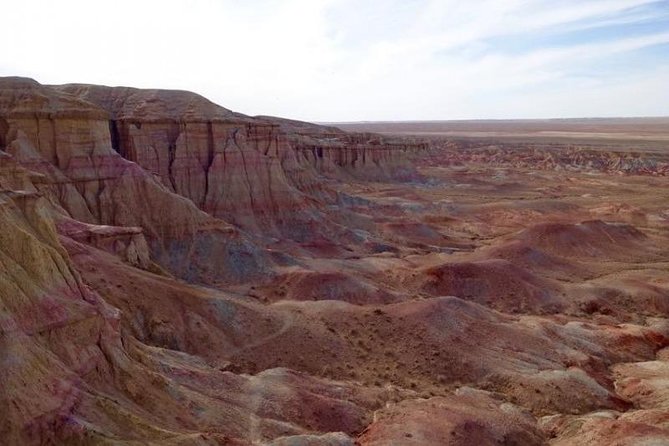
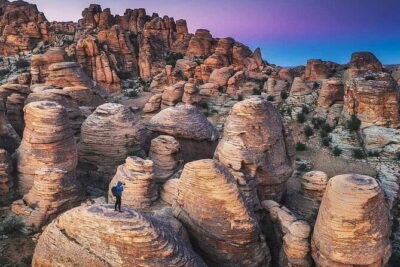
Day 2 centers on Tsagaan Suvarga (White Stupa), a cliff named by local people. The idea is straightforward: natural erosion shaped it over a very long time, and the cliff shows different times through its layers and forms.
This is one of those places where you can keep your brain in “slow looking” mode. You’ll likely walk around for photos and viewpoint angles, but the bigger value is that the cliff is presented like a readable object, not a random stop.
Admission is listed as free for this stop. That’s nice, but the real win is that it costs you less money while still giving you a signature Mongolia visual. You leave the day with a mental image that’s hard to forget: white tones, sharp shapes, and that sense of wind and water sculpting something over ages.
Other loops through central Mongolia with nights on the grass
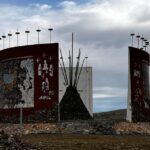
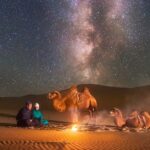
Day 3: Ongi Monastery ruins, Bayanzag lunch, and Middle Gobi village life
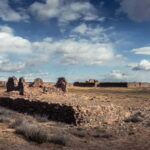
Day 3 is where the trip shifts from “iconic geography” to “human remnants.” You visit Ongi Monastery (Ongiin khiid) ruins, described as an active small monastery site, not only a dead ruin. The stop is listed with admission included.
Before that, you have lunch in the Bayanzag area, then drive to Saikhan Ovoo, described as a small village in the Middle Gobi province. That sequence matters. It places the monastery visit within the daily rhythm of the region, rather than making it feel like a remote photo mission.
A practical note: this is a day that can feel quieter. Ruins do not require high energy like climbing does, but you should still wear comfortable layers. Mongolian weather can change fast, and the Middle Gobi can feel both sunny and cold within hours.
What to watch for: If your camera bag is heavy, you will likely carry it longer than you expect. The best value is usually in walking a little more to catch different ruin angles.
Day 4: Kharkhorin and Orkhon river history at the old Mongol capital site
Day 4 takes you to Kharkhorin (Karakorum), described as the capital of the Great Mongol Empire in the 13th century. It’s located on the right bank of the Orkhon River, about 360 km southwest of Ulaanbaatar, and admission is listed as free.
Even if you do not come in as a Mongol history specialist, this stop hits because it’s a place you can physically understand. The river proximity matters. Capitals tend to form where water and movement connect, and the Orkhon setting helps explain why it became important.
You also get an easy day structure. Free admission typically means less time spent on paperwork, and more time walking and taking in the setting. If you enjoy archaeology-style places, this is a good match because “ruins and outlines” let you read the past with your own eyes.
Day 5: Orkhon Waterfall, a measurable natural stop near the Ulaan Tsutgalan
Day 5 is built around Orkhon Waterfall, described as very close to the Orkhon region and connected with the Ulaan Tsutgalan River. The details are specific: about 10 meters wide and 20 meters high.
That kind of measurement helps you plan your expectations. You are not driving miles for a tiny trickle. This is a proper waterfall stop, and it’s close enough to feel practical inside the day’s schedule.
Admission is listed as included. For many travelers, the included ticket items make the day feel smoother, especially in rural areas where you might otherwise need to confirm small fees on the spot.
What you’ll enjoy most: a waterfall pause breaks up the more “historical ruin” rhythm of the earlier days. You get movement, sound, and a different type of landscape view.
Day 6: Elsen Tasarkhai sand dune, small by choice and camel riding included
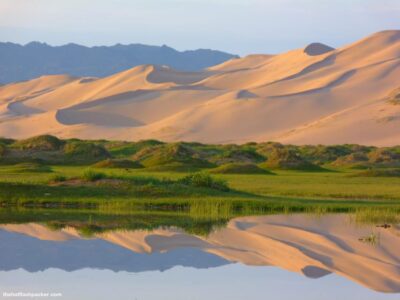
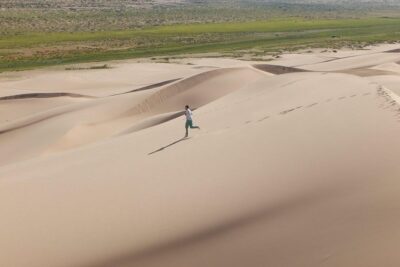
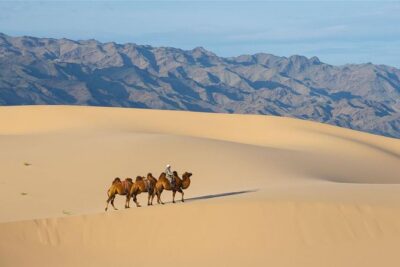
Day 6 shifts to the classic Gobi feeling at Elsen Tasarkhai sand dune. It’s described as a small sand dune surrounded by a beautiful mountain area. That’s a helpful contrast to bigger “all-day dune fields” tours. Here, you still get sand-country drama, but you do not spend the entire day in one setting.
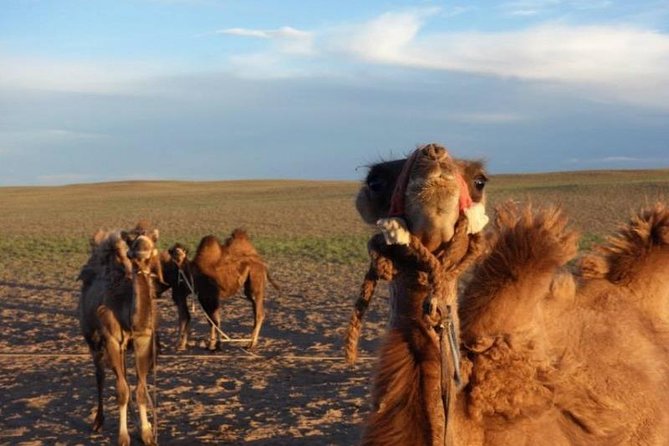
Camel riding is listed as part of the experience on this day. This is one of the highlights that shows up repeatedly in how people describe enjoying the week. Camel time gives you the Gobi from the slow-and-steady animal perspective, not the fast and flashy photo-stand perspective.
The vibe is also more animal-friendly than people expect. One review specifically mentions a cute eagle sighting in this general region and experience style. It may not be guaranteed, but open areas like this do increase your odds of seeing wildlife.
Day 7: A morning with local family, camel trekking, then Hugnu Khan National Park monastery time
Day 7 starts with a morning stay in local family time, then you start camel trekking in the sand dune at Elsen Tasarkhai. This is a second round of sand experience, but the point is depth, not repetition. Trekking gives the sand time to sink in.
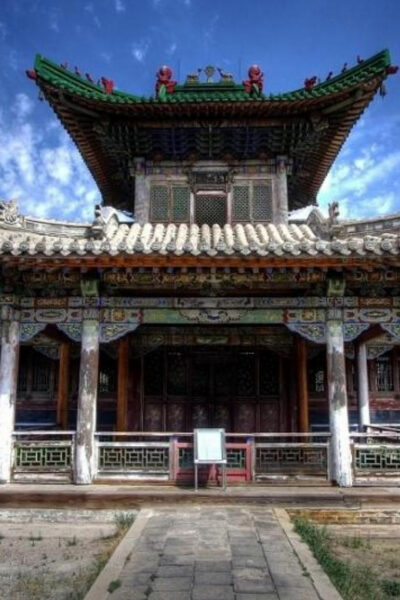
The day also includes a monastery visit in Hugnu Khan National Park. That means you end the week with a mix of nature setting and spiritual sites, in a different environment than the ruins earlier in the trip.
What this day is really for: it’s the decompression. You finish feeling like you’ve lived a week on Mongolia time, not just driven through sights.
Where you sleep and how to pack for real Mongolian nights
This tour uses a range of accommodations: family yurts, tourist camps, and local ger hostels along the way. One of the most practical pieces of advice from past experience is to dress sporty and pack for layers, like you would for high mountains.
Even without exact temperatures listed, the pattern is clear: open-air daytime can turn into cooler evenings. You will feel that shift more when you’re sleeping in felt-and-wood structures rather than modern buildings.
Bring:
- Warm layers for evenings and early starts
- Comfortable walking shoes for ruin days and viewpoints
- A day bag for water and quick-change layers
- Sun protection, because open desert days can be intense
- Anything you need for snacks, since snack and fruit are not listed as included
If you plan to buy souvenirs, remember that personal items are not included. Keep small bills or cards handy if your guide suggests it.
Meals: what’s included and how to think about the menu
You get breakfast on 6 days, lunch on 7 days, and dinner on 5 days. That’s a lot of included food, which matters on a route where the distance between stops can make meal planning stressful.
Because “most meals” is the core selling point, I recommend treating the included meals as part of the schedule, not an optional extra. You’ll likely eat close to where the day’s activities happen, so you do not lose the middle of the day to food logistics.
Also, fruit and snack are specifically listed as not included. If you tend to snack between stops, plan to add those on your own.
For solo travelers: why a private guide can make this route feel easier
This tour is private, meaning you only deal with your group and guide. For a solo traveler, that often changes everything. You can ask questions without timing them around other people’s preferences, and you can keep your energy focused.
One of the most praised elements is the guide’s language ability, noted as fluent in English and Japanese. That kind of support matters on cultural stops like monasteries and Mongol history sites, where small details change how you understand what you see.
Should you book this Central Mongolia and Great Gobi tour?
Book it if you want:
- A private 7-day circuit that mixes Gobi nature with Mongol-era sites
- Included meals and accommodations that reduce day-to-day decision fatigue
- A classic animal experience, including camel riding and camel trekking
- A guide who can explain sites in English and Japanese
Skip it or adjust expectations if:
- You dislike long drives and packed sight schedules
- You need a very cushy comfort level every night. You will sleep in yurts and ger-style accommodations, depending on the stop.
- Weather dependency is a concern. The experience requires good weather, and if it cannot run as planned, you may be offered a different date or a full refund.
My practical bottom line: if you want a real Mongolia week that connects dunes, cliffs, monasteries, and river-country views, this is a strong choice. The value comes from the included structure, not from trying to do everything alone.
FAQ
Where does the tour start and what time?
The tour starts at Danista Nomads, Orkhon Street 1-37, BGD – 16 khoroo, Ulaanbaatar 16040, Mongolia. The start time is 8:30 am. It ends back at the same meeting point.
How long is the Central Mongolia and Great Gobi tour?
The duration is 7 days, approximately.
Is this tour private?
Yes. It is listed as a private tour, so only your group will participate.
What meals are included?
Lunch is included 7 times, dinner is included 5 times, and breakfast is included 6 times.
What does the price include versus not include?
Included items cover accommodations and most meals, plus round-trip transfers from Ulaanbaatar and selected admission tickets. Not included items are personal items, optional activity costs, alcoholic drinks, travel insurance, service tip, fruit, snack, and the use of bicycle.
Are tickets and admissions included for the stops?
Some admissions are included and some stops are free as listed in the itinerary. For example, Baga Gazariin Chuluu and Chinggis Khaan National Museum include admission tickets, Tsagaan Suvarga is listed as free, Kharkhorin is listed as free, and Orkhon Waterfall includes admission.
What are some of the main places you visit?
You’ll visit Baga Gazariin Chuluu, Chinggis Khaan National Museum, Tsagaan Suvarga, Ongi Monastery, Kharkhorin, Orkhon Waterfall, Elsen Tasarkhai, and a monastery in Hugnu Khan National Park.
Does the itinerary include camel riding or trekking?
Yes. Camel riding is listed for Elsen Tasarkhai on Day 6, and camel trekking in the sand dune is listed for Day 7.
What is the cancellation and weather rule?
Cancellation is free up to 24 hours in advance for a full refund. The experience requires good weather, and if it is canceled due to poor weather, you’ll be offered a different date or a full refund.
More Tour Reviews in Ulaanbaatar
- From Ulaanbaatar: Genghis Khan Statue NationalPark CamelRide
★ 4.8 · 353 reviews - Genghis Khan Statue Day Tour+National Park+Camel Ride+Eagle
★ 4.5 · 261 reviews - From Ulaanbaatar: Central Mongolia Guided 3-Day Tour
★ 4.6 · 186 reviews - Ulaanbaatar: Small Group 3-Day Best of Central Mongolia Tour
★ 4.1 · 171 reviews - Terelj national park transport /Best price tour
★ 4.7 · 135 reviews
More Loops Through Central Mongolia
- From Ulaanbaatar: Central Mongolia Guided 3-Day Tour
★ 4.6 · 186 reviews - Ulaanbaatar: Small Group 3-Day Best of Central Mongolia Tour
★ 4.1 · 171 reviews - Central Mongolia Guided 3-Day Comfortable Tour
★ 4.5 · 37 reviews - 4 Day Best of Central Mongolia tour, Chinggis Khan statue
★ 4.8 · 21 reviews - 2 day Central Mongolia
★ 4.5 · 15 reviews
Deeper Into the Gobi
- Ulaanbaatar: Semi-Gobi Desert Day Trip & Camel Ride
★ 4.0 · 92 reviews - Best 6-Day Gobi Tour Discover Mongolia
★ 4.9 · 13 reviews - Travel to Gobi by train Visit World energy Center
★ 4.9 · 12 reviews - 8 Days Tour: Gobi Desert And Kharkhorin
★ 5.0 · 10 reviews - 1 Day Semi-Gobi Tour with Lunch And Enjoying Camel or Horseback
★ 5.0 · 9 reviews
Still fixing the route? Other Mongolia trips we have written up
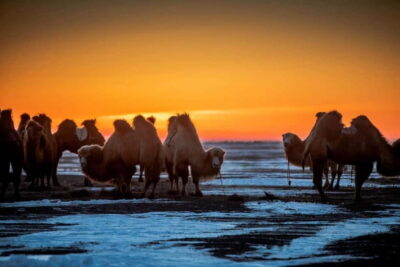
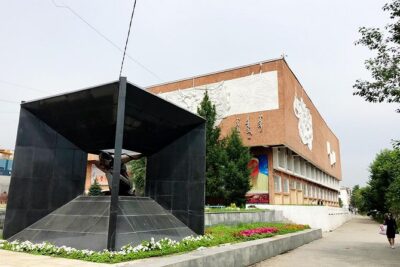
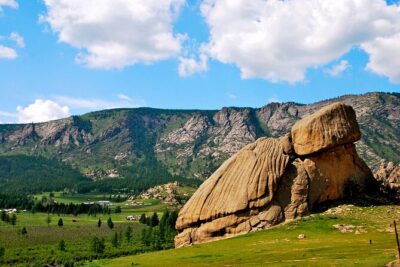
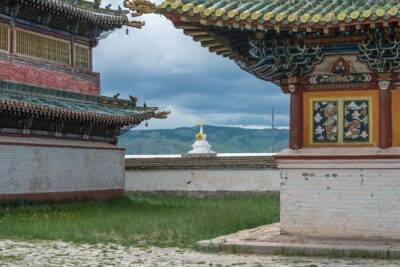
Gobi Desert Expeditions, side by side.
 ★ 4.0Semi-Gobi Desert Day Trip & Camel RideFrom $17592 reviews
 ★ 4.9Best 6-Day Gobi Tour Discover MongoliaFrom $75013 reviews
 ★ 4.9Travel to Gobi by train Visit World energy CenterFrom $31012 reviews
 ★ 5.08 Days Tour: Gobi Desert And KharkhorinFrom $1,69310 reviews
 ★ 5.01 Day Semi-Gobi Tour with Lunch And Enjoying Camel or HorsebackFrom $1389 reviews
 ★ 5.0Gobi tour Mongolia 7 DaysFrom $1,2908 reviews
 ★ 4.9Bus tour to visit Gobi 4 dayFrom $6907 reviews
 ★ 4.01 Day Semi-Gobi Tour Including Lunch And Free Camel +Bonus Khustai National ParkFrom $1686 reviews
This tour also appears in