
REVIEW · GOBI DESERT EXPEDITIONS
8 Days Tour: Gobi Desert And Kharkhorin
Five hours in, your brain starts accepting the scale.
This 8-day Gobi Desert and Kharkhorin tour is interesting because it strings together very different sites, from Tsagaan Suvarga’s white, fossil-studded cliffs to the empire ruins of Kharkhorin. I like that the group stays small, no more than 10 people, so the pace feels human on long drives. I also like the practical mix of natural wonders and real spiritual landmarks, plus round-trip transfers from Ulaanbaatar.
One possible drawback to weigh: this trip depends on good weather, and the route is active, with hiking and cliff climbs built into the days.
In This Review
- Key highlights worth your time
- A small-group Gobi route that keeps the day-to-day manageable
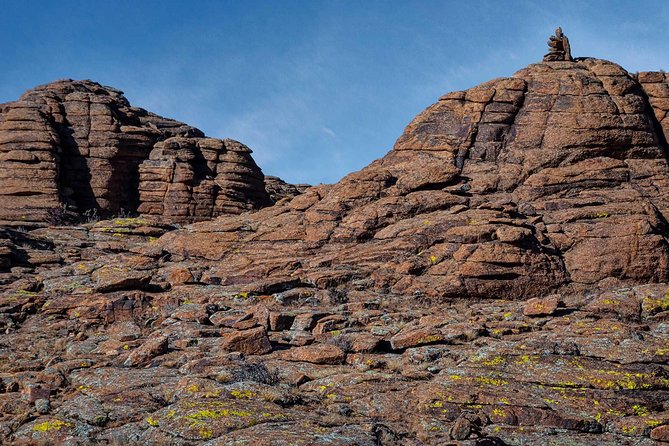
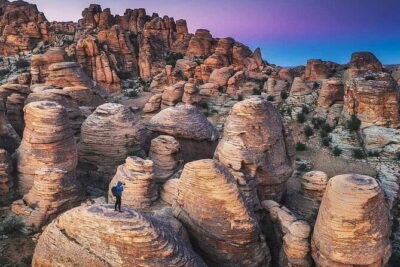
- Day 1: Baga Gazariin Chuluu, granite cliffs and a temple ruin
- Tsagaan Suvarga White Stupas: the cliffs look unreal from the right angle
- Yoliin Am ice canyon: a protected gorge with serious wall height
- Khongor Els sand dunes: when the Gobi turns into motion
- Bayanzag and the Flaming Cliffs: dinosaurs meet wild rock
- Ongi Monastery on the Ongi River: active, but quieter
- Kharkhorin (Kharakhorum) and Erdenezuu: capital city energy with UNESCO weight
- Where you stay and how meals are handled across 8 days
- Transfers, timing, and why the 7:30 am start matters
- The organization factor, from Enza Tours to your on-the-ground guide
- Price and value: $1,693 per person, and what that buys
- Cashmere factory shopping in Ulaanbaatar: a souvenir moment with named brands
- Who this tour suits best
- Should you book this 8-day Gobi Desert and Kharkhorin tour?
- FAQ
- How long is the Gobi Desert and Kharkhorin tour?
- What group size should I expect?
- Do you offer pickup from Ulaanbaatar?
- What meals and accommodation are included?
- Which major sights are included?
- Is alcohol included?
- What happens on the last day?
- What if the weather is bad or I need to cancel?
Key highlights worth your time
- Small group size (up to 10), so you get more attention from your guide on-site.
- Geology that tells a story, especially Tsagaan Suvarga’s sea-bottom cliffs and fossil shells.
- Ice canyon hiking at Yoliin Am, where the canyon walls can run about 200 meters high.
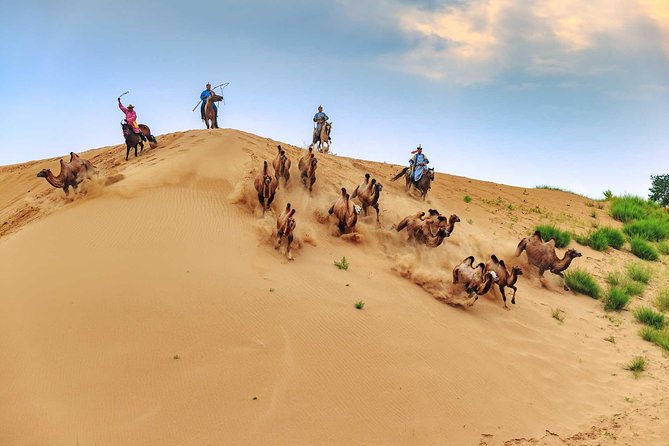
- Sand dunes at Khongor Els, with huge dune stretches and 15 to 20 meter heights.
- Kharkhorin and Erdenezuu, tied to Chinggis Khan’s era and a UNESCO-protected heritage site.
A small-group Gobi route that keeps the day-to-day manageable
The biggest magic trick here is how the tour keeps the Gobi from feeling like a giant, exhausting blur. With a small group of up to 10 people, you spend less time waiting around and more time actually looking at what’s in front of you.
You also get a full loop built around one clear base point, Ulaanbaatar. That means fewer planning headaches and less time juggling transport on your own.
And yes, it is a real adventure. You are driving between major sights, then stepping out for walking, photos, and short climbs at key stops. If you like structure but still want breathing room, this format fits.
Longer hauls south into the Gobi proper
- Ulaanbaatar: Semi-Gobi Desert Day Trip & Camel Ride★ 4.0 · 92 reviews
- Best 6-Day Gobi Tour Discover Mongolia★ 4.9 · 13 reviews
- Travel to Gobi by train Visit World energy Center★ 4.9 · 12 reviews
- 8 Days Tour: Gobi Desert And Kharkhorin★ 5.0 · 10 reviews
- 1 Day Semi-Gobi Tour with Lunch And Enjoying Camel or Horseback★ 5.0 · 9 reviews
Day 1: Baga Gazariin Chuluu, granite cliffs and a temple ruin
The trip starts with a drive to Baga Gazariin Chuluu, a local protected area with granite mountains around 1,751 meters above sea level. It is the kind of place where the rock itself looks old, and the details feel like they were placed there on purpose.
You can visit a Buddhist temple ruin used by monks, plus a small cave and a stone hole with spring water for the eyes. It’s not a museum stop. It’s the quieter, hands-on side of Mongolian heritage, where you walk around and read the land.
Consider this if you want big spectacle every hour. Day 1 is more about setting your expectations and easing your eyes into the Gobi’s texture.
Tsagaan Suvarga White Stupas: the cliffs look unreal from the right angle
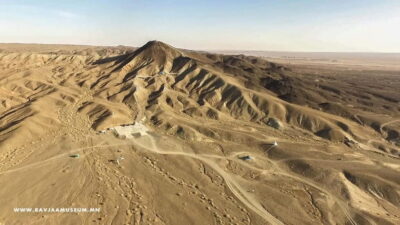
Next comes Tsagaan Suvarga, the White Stupas, and it earns its reputation. From far away, the cliff can look like the remains of an ancient town or a cluster of white stupas.
The scale is concrete: the formation is described as about 62 meters high and 400 meters wide. Over a very long time, wind sculpted it into layers, and the cliffs were once sea bottom, which is why the eroded rock can contain fossil sea shells.
What I like about this stop is that it mixes visual drama with real scientific clues. You are not just seeing something pretty. You are seeing how geology can act like a timeline.
Yoliin Am ice canyon: a protected gorge with serious wall height
Day 3 focuses on Yoliin Am, the narrow ice canyon. Expect steep, sheer rocky walls that can run around 200 meters high in the central part.
This area is protected, with protection starting in 1965, and today it sits within Mongolia’s strictly protected zones. The canyon runs through the Zuun Saikhan Mountains region, with the mountains rising to about 2,815 meters at sea level.
Practical tip: plan for an active walking stop in a canyon environment. The tour is built for guests who can do hiking and want to stop for photos without rushing.
Khongor Els sand dunes: when the Gobi turns into motion
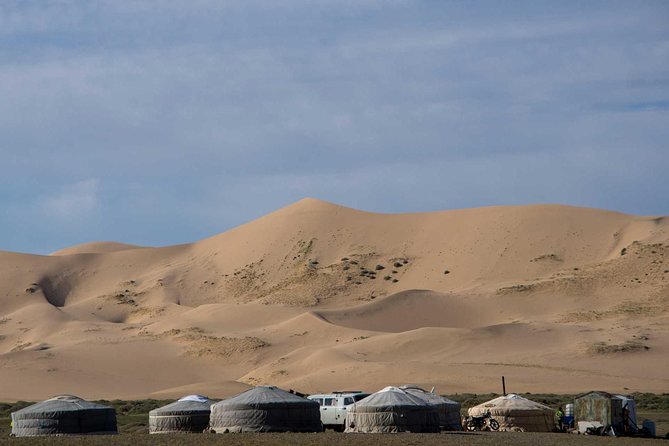
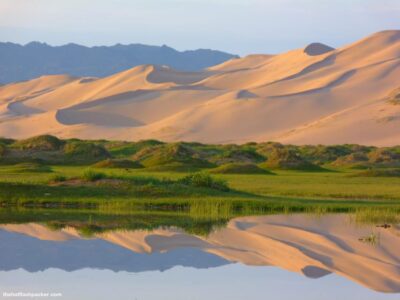
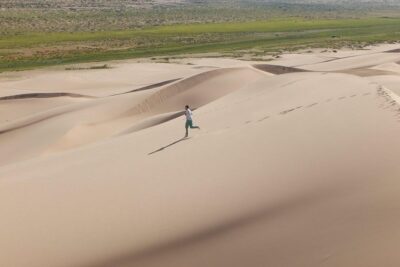
Then you trade stone for sand at Khongor Els. These sand dunes stretch roughly 180 kilometers and sit in the northern part of the Sevree and Zuulen mountains area.
The described dune heights are around 15 to 20 meters, and this desert zone makes up about 3% of Mongolia’s territory, which helps you understand that you are not visiting one small sandy corner. You are in the real desert.
This is a good day for staying present. The dunes change character with light, and if you give yourself time to walk and look, you get more than a quick snapshot.
If you’re prone to motion sickness in vehicles, take care. Long drives across wide desert spaces can make the day feel longer than the clock.
More of Kharkhorin, Erdene Zuu and the old Mongol capital
Bayanzag and the Flaming Cliffs: dinosaurs meet wild rock
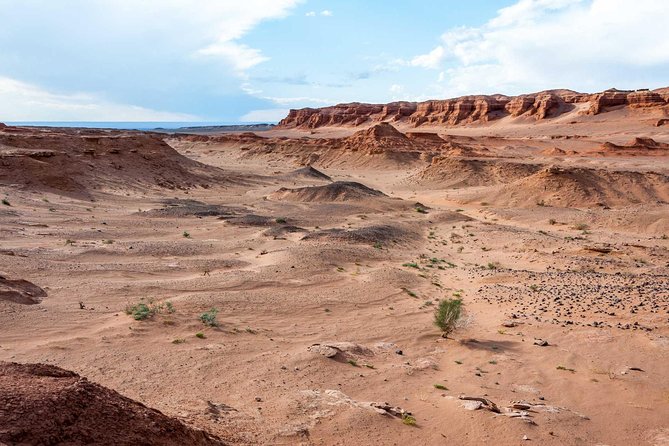
Day 5 shifts to Bayanzag, also known for the Flaming Cliffs. It’s near the center of Bulgan Soum and famous for paleontological discoveries, including dinosaur remains such as complete skeletons, eggs, and hatchlings from the Cretaceous Period.
The names connected to finds here include Protoceratops, Oviraptor, and Pinacosaurus, and the age given for these dinosaurs is about 70 to 80 million years ago. It’s the kind of fact that makes you look at cliffs differently, even when the rocks look bare.
If you like stories that connect science to place, this stop delivers. The setting is rugged, but the meaning is big.
Ongi Monastery on the Ongi River: active, but quieter
Day 6 heads to Ongyn temple, established in the 1760s by Bari Yonzon Khamba along the Ongi River. Historically, it supported over 1,000 monks and a complex of around 30 temples.
Today, it is still active, but the number of monks doing functions is much smaller. That change matters. You feel the difference between a place that used to hum with religious life and one that continues with fewer people.
This is also a hands-on day. The tour notes hiking, visiting a natural wonder, climbing up to cliffs, and photo shooting. It’s not just sightseeing, and it is not just walking either.
Kharkhorin (Kharakhorum) and Erdenezuu: capital city energy with UNESCO weight
The heart of the cultural side arrives at Kharkhorum, established around 1220 as the capital of the Great Mongolian Empire. The tour context places major rulers here including Chinggis Khaan and descendants such as Khaan Ugudei, Guyug, and Munkh.
The town later faced destruction in the 14th century by soldiers of the Ming Dynasty. The ruins have been protected since 1961 and named a UNESCO World Heritage Site in 1996.
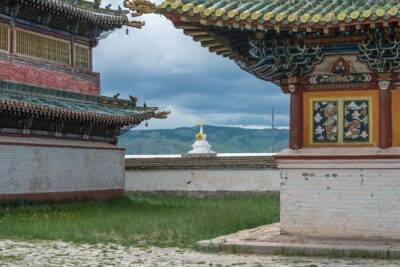
At Erdenezuu, you visit tombs and temples, including a real Buddhist temple. You also get the Wall of the Mongolian Empire, which helps you connect the physical site to what the place meant during Mongol empire times.
What I like about this day is the mix of scales. You see individual religious structures, then you step back for the big-picture story through the walls and surroundings.
If you are short on patience for walking, pace yourself here. This is a day where good footwear and steady energy matter.
Where you stay and how meals are handled across 8 days
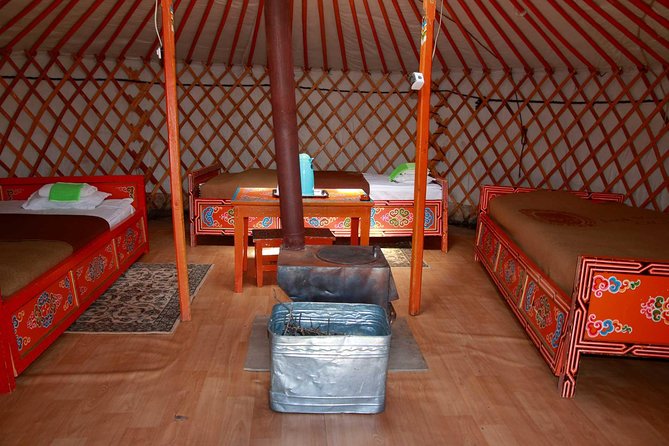
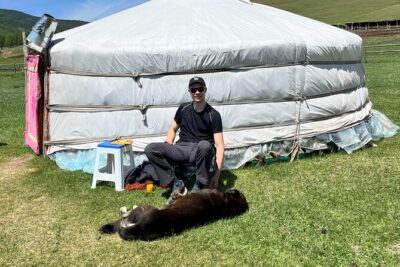
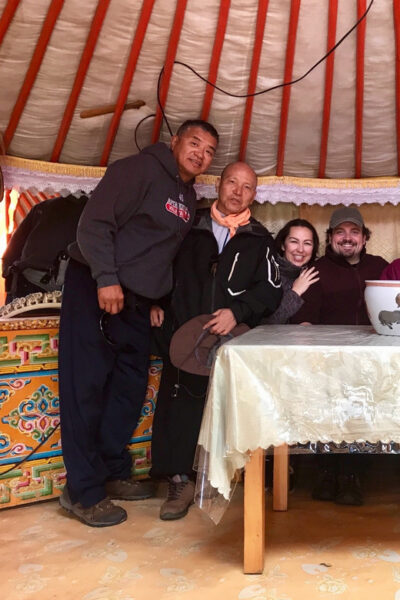
The lodging is described as family yurts or tourist camps along the way. That typically means you are sleeping close to the local rhythm of travel rather than in a high-tech hotel bubble.
Mealtimes are also planned, with 7 breakfasts, 8 lunches, and 7 dinners included. So you are not constantly figuring out where the next meal will come from, and you can focus on the day’s stops instead.
Alcoholic drinks are not included. That’s a simple rule, and it helps keep the rest of your budgeting clearer.
For me, the real value in the food plan is consistency. When your day is mostly outdoors, you want meals you can count on.
Transfers, timing, and why the 7:30 am start matters
Pickup is offered, and the tour includes round-trip transfers from Ulaanbaatar. The start time is 7:30 am, which is a good sign if you want daylight for the big visual stops.
This schedule also affects how you experience the day. Early departures reduce the time you spend trapped in transit when the light is best for cliffs and dunes.
Also note: the tour is described as a private activity, meaning only your group participates. That matters for comfort, especially on longer drive days. Fewer people means less noise, fewer delays, and more room for your guide to manage your pace.
The organization factor, from Enza Tours to your on-the-ground guide
The reviews signal strong organization, including praise for the tour-guide and driver quality. One response I saw came from Enkhzaya Ganbold with thanks for good organization and service, which fits the overall vibe of this trip.
This is not a trip where you want weak logistics. The route covers multiple major sites across different environments, and smooth driving and clear timing are part of the value.
So when you book, pay attention to how they communicate with you after confirmation. Confirmation is listed at booking time, and good communication usually means fewer surprises when you’re sitting in the van headed toward something huge.
Price and value: $1,693 per person, and what that buys
At $1,693 per person, the price is not cheap, but it is not trying to sell you a “budget bare bones” experience either. You get accommodations in family yurts or tourist camps, round-trip transfers, and most meals, with breakfast, lunch, and dinner counts clearly included.
You are also paying for guided access to major natural formations and heritage sites, plus the day-to-day driving that connects them. In places like the Gobi, that connectivity is expensive in time and logistics when you do it yourself.
The small group size also supports the value. Up to 10 people is a practical sweet spot, where your guide can actually steer the day rather than just herding bodies.
If you want total independence and no structured stops, this price may feel high. If you want a guided route that handles transport and meals, the math makes more sense.
Cashmere factory shopping in Ulaanbaatar: a souvenir moment with named brands
On the final day, you return to Ulaanbaatar and do shopping at cashmere factory stores of Goyo and Gobi. This is your structured souvenir stop, and it is clearly part of the planned day.
If you do not care about cashmere, treat this like a short break from the desert pace. If you do care, it helps that the brands are named. You can decide quickly if it fits your style and budget.
Who this tour suits best
This tour is a great fit if you want the Gobi’s big hitters without the stress of coordinating everything yourself. The combination of natural sites like Tsagaan Suvarga, Yoliin Am, Khongor Els, and Flaming Cliffs plus heritage stops at Ongyn temple and Kharkhorin is a balanced mix.
It also suits active travelers who can handle hiking and cliff viewpoints. The tour explicitly lists hiking and climbing activities on key days, plus photo time.
If you dislike early starts, long drives, or walking, you might find the rhythm tough. The trip is designed for movement, not for couch comfort.
Should you book this 8-day Gobi Desert and Kharkhorin tour?
I’d book it if you want a structured, small-group way to see both the geology and the Mongol empire story, without worrying about meals and transfers. The included lodging style, meal coverage, and round-trip transport make it easier to focus on the sites themselves.
I would hesitate if you need a slower pace, strong hotel comfort, or you know your body struggles with hiking. Also, because it requires good weather, you should be flexible in your expectations.
If you’re the type who likes clear planning, strong guiding, and landscapes that feel like they belong in a textbook and a dream at the same time, this route is a strong match.
FAQ
How long is the Gobi Desert and Kharkhorin tour?
It’s an 8-day tour, approximate duration.
What group size should I expect?
The tour is for a small group with no more than 10 people. It is also described as a private activity, meaning only your group participates.
Do you offer pickup from Ulaanbaatar?
Yes. Round-trip transfers from Ulaanbaatar are included, and the start time is 7:30 am.
What meals and accommodation are included?
The tour includes 7 breakfasts, 8 lunches, and 7 dinners. Accommodation is in family yurts or tourist camps along the way.
Which major sights are included?
Key stops include Tsagaan Suvarga White Stupas, Yoliin Am, Khongor Els Sand Dunes, Bayanzag and the Flaming Cliffs, Ongyn temple, and Kharakhorum (Kharkhorin), including Erdenezuu monastery and the Wall of the Mongolian Empire.
Is alcohol included?
No. Alcoholic drinks are not included.
What happens on the last day?
You return to Ulaanbaatar and shop at cashmere factory stores of Goyo and Gobi.
What if the weather is bad or I need to cancel?
This experience requires good weather. If it’s canceled due to poor weather, you’ll be offered a different date or a full refund. You can cancel up to 6 days in advance for a full refund, with smaller refunds if you cancel closer to the start time.
More Tour Reviews in Ulaanbaatar
- From Ulaanbaatar: Genghis Khan Statue NationalPark CamelRide
★ 4.8 · 353 reviews - Genghis Khan Statue Day Tour+National Park+Camel Ride+Eagle
★ 4.5 · 261 reviews - From Ulaanbaatar: Central Mongolia Guided 3-Day Tour
★ 4.6 · 186 reviews - Ulaanbaatar: Small Group 3-Day Best of Central Mongolia Tour
★ 4.1 · 171 reviews - Terelj national park transport /Best price tour
★ 4.7 · 135 reviews
Kharkhorin and Erdene Zuu, More of It
- From Ulaanbaatar: Semi Gobi and Ancient Kharkhorin Tour
★ 4.5 · 114 reviews - From UB: 2-Days Tour to Kharhorin and sand Semi Gobi
★ 4.5 · 17 reviews - Semi-Gobi and Kharkhorum overnight private trip
★ 5.0 · 14 reviews - Kharkhorum, Semi-Gobi 2 days 1 night private trip
★ 5.0 · 4 reviews - Mini Gobi and the ancient capital Kharkhorin – 4 days
★ 5.0 · 3 reviews
Deeper Into the Gobi
- Ulaanbaatar: Semi-Gobi Desert Day Trip & Camel Ride
★ 4.0 · 92 reviews - Best 6-Day Gobi Tour Discover Mongolia
★ 4.9 · 13 reviews - Travel to Gobi by train Visit World energy Center
★ 4.9 · 12 reviews - 1 Day Semi-Gobi Tour with Lunch And Enjoying Camel or Horseback
★ 5.0 · 9 reviews - Gobi tour Mongolia 7 Days
★ 5.0 · 8 reviews
Still fixing the route? Other Mongolia trips we have written up
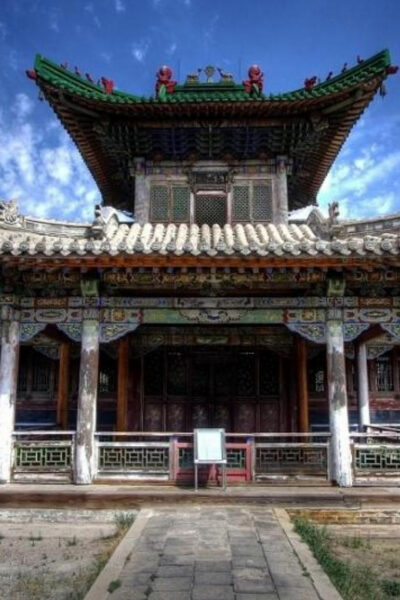
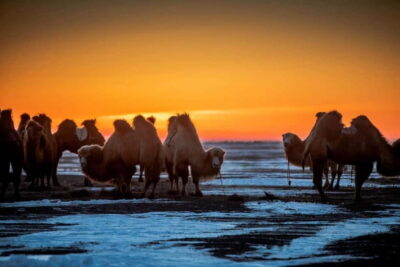
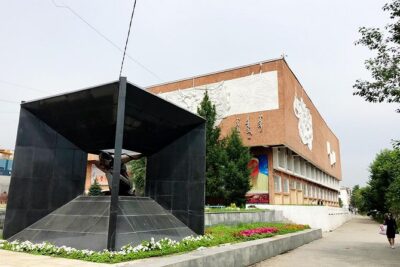
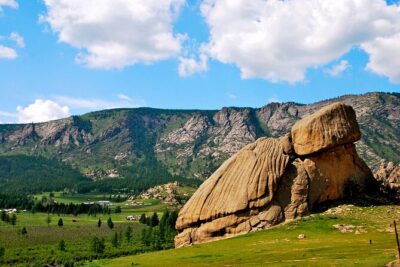
Gobi Desert Expeditions, side by side.
 ★ 4.0Semi-Gobi Desert Day Trip & Camel RideFrom $17592 reviews
 ★ 4.9Best 6-Day Gobi Tour Discover MongoliaFrom $75013 reviews
 ★ 4.9Travel to Gobi by train Visit World energy CenterFrom $31012 reviews
 ★ 5.01 Day Semi-Gobi Tour with Lunch And Enjoying Camel or HorsebackFrom $1389 reviews
 ★ 5.0Gobi tour Mongolia 7 DaysFrom $1,2908 reviews
 ★ 4.9Bus tour to visit Gobi 4 dayFrom $6907 reviews
 ★ 4.57 days Central Mongolia and Great GobiFrom $1,5007 reviews
 ★ 4.5Overnight Semi-Gobi Tour with Nomadic HomeStayFrom $2346 reviews
This tour also appears in