
REVIEW · MONGOLIAN HORSE RIDING & TREKS
Mongolia Nomad Trek • On-Foot & Horseback ~ 15 Day
Mongolia’s Altai borderlands feel like a living museum. This is a 15-day on-foot and horseback trek led by Eddie Frank, mixing high passes, river valleys, and nomad life where traditions are still practiced day to day. You’ll start in Ulaanbaatar, then head west to the Altai Mountains along Mongolia’s border with China.
What I like most is the blend of active travel and real culture, plus the practical way the team helps you ride. Eddie also runs riding clinics so you can get comfortable, even if you are not a regular horse person.
One consideration: this is physically serious, with high-altitude days and at least one glacier-focused push, so you’ll want strong fitness and a calm attitude for cold, wind, and uneven ground.
In This Review
- Key Things I’d Highlight Before You Go
- Altai Mountains Near China: Where Nomad Life Still Runs the Show
- Ulaanbaatar Start: Tuushin Hotel, City Food, and a National Theater Show
- Bayan-Olgii Flight and Ger Camp Basics: Eagle Hunters and Packing for Camels
- Khoton Nuur Lakeshore: Horse Introduction, Gers, and Tusker Nadaam
- River-Valley Trekking: Alpine Forest to Cheben Hill Quiet
- Gorge Days on the Tsagaan Gol: Canyon Walls and a Practical Approach to Flooding
- The 10,350 ft Pass Day: Snow Possibility and Learning the Pace
- Tuvan Community Visit and the Altai Petroglyphs: 11,000 Years Under Your Feet
- Rest Day on the Plateau: Laundry Time and a Bright Lake Find
- Potanin Glacier Challenge: Frost-Heave Terrain and High-Mountain Boundaries
- Final Trail Day Into the National Park Gate, Then Home Through Ulgii
- Price and Value: Is $8,250 Per Person Reasonable Here?
- Who This Trip Fits Best (and Who Should Think Twice)
- Should You Book This Mongolia Nomad Trek?
- FAQ
- Where does the trek start?
- How long is the Mongolia Nomad Trek?
- Is horseback riding included, and will I get instruction?
- What kinds of activities and sights should I expect?
- What meals are included?
- What is not included in the price?
- What if weather is bad or plans change?
Key Things I’d Highlight Before You Go
- Eddie Frank guiding the whole rhythm, including riding coaching and how to stay safe on horseback
- Hands-on horse training with Australian saddles and on-the-ground clinics, not just a sit-and-smile ride
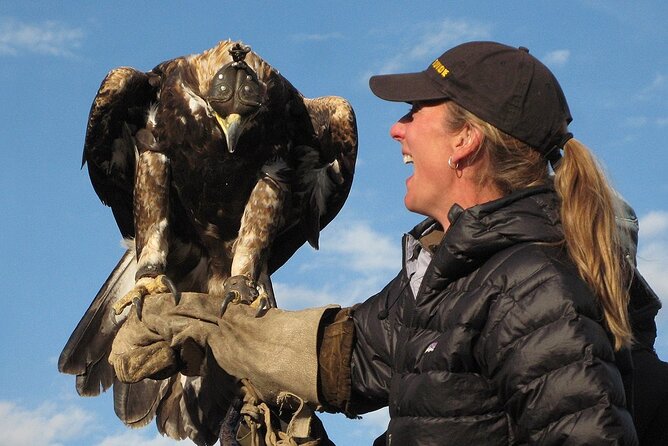
- Nomad traditions on schedule, including horse games (Tusker Nadaam) and Kazakh eagle hunter encounters
- Huge scenery days built around real geography, river gorges, mountain passes, and the Potanin Glacier area
- Long stretches with camels and a trekking crew, which changes the feel from tough hiking-only tours
- A strong culture layer through Kazakh and Tuvan community visits plus major Altai petroglyph sites
Altai Mountains Near China: Where Nomad Life Still Runs the Show
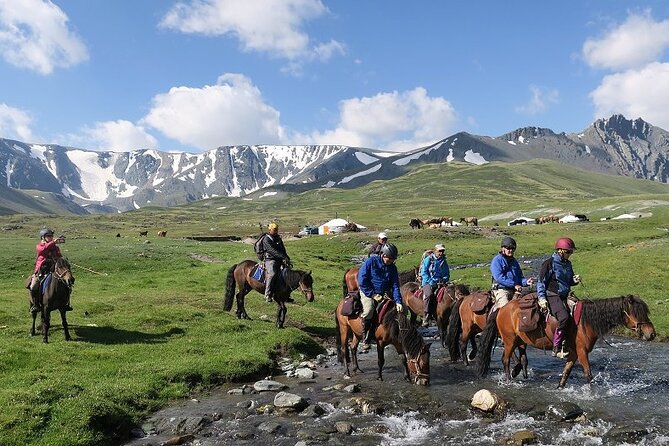
The Altai region on Mongolia’s western edge has a way of slowing your thoughts down. You are moving through wide river valleys and open steppe, but you are also meeting people who still operate by older patterns: horses, herding, seasonal travel, and ceremonies tied to the land.
On this trek, that matters because the trip is not only about scenic hikes. You are repeatedly handed a living context. You ride with nomadic horsemen, you visit people in their gers, and you see cultural moments that are not staged for tourists. When you learn basics for riding, it is so you can genuinely participate in the rhythm of the region.
Saddle time: more rides across the valleys
- Terelj National Park: Tour with horse riding and hiking★ 5.0 · 46 reviews
- MONGOLIAN NOMADS: 2-Day Horse Trekking & Cow Milking Tour★ 4.8 · 23 reviews
- Horse riding in Terelj National Park★ 5.0 · 14 reviews
- Full Day Private Tour in Terelj National Park with Horse Riding★ 5.0 · 13 reviews
- 1 Day Semi-Gobi Tour with Lunch And Enjoying Camel or Horseback★ 5.0 · 9 reviews
Ulaanbaatar Start: Tuushin Hotel, City Food, and a National Theater Show
Your trip begins in Ulaanbaatar, where you meet your guide and settle into the Tuushin hotel for two nights. I like this setup because it gives you a buffer before the long journey west. You can rest, adjust, and then ease into Mongolia rather than jumping straight into the mountains.
During UB discovery day, your Mongolian guide helps you pick what to do: restaurants, street food stands, museums, and shops, including cashmere-focused places. In the evening, you head to the national theater for a performance with colorful costumes and music rooted in Mongolian history. It is a good mental gear shift, from everyday city life into the deeper cultural side of the country.
Practical note: expect a city experience that is casual and flexible. Your guide is there to help you make smart choices, but you still get time to wander at your own pace.
Bayan-Olgii Flight and Ger Camp Basics: Eagle Hunters and Packing for Camels
After landing in Ulaanbaatar, the route quickly turns west. You fly to Bayan-Ulgii in western Mongolia and switch into a different pace right away.
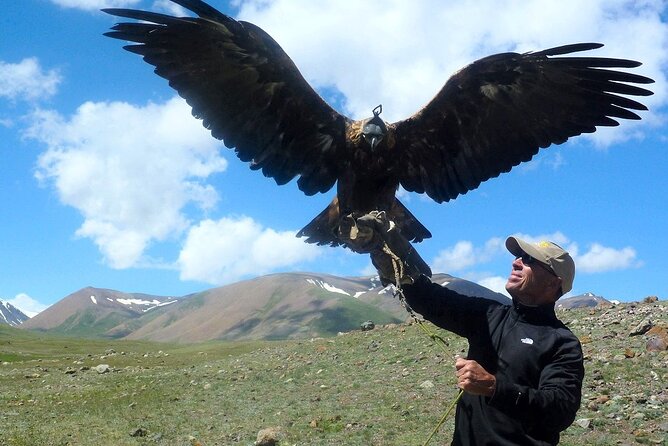
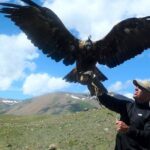
In Ulgii, you drop gear at a ger camp, then head to the outdoor market where you can look around and get a feel for the local mix. A highlight is the effort to find a Kazakh eagle hunter for an up-close encounter with his golden eagle. This kind of meeting is worth its own time because it is not just a photo opportunity. It gives you a real sense of how specialized and practiced the tradition is.
Then you shift your equipment into waterproof Tusker duffels so it is easier to pack onto camels for the expedition. That is one of those details that changes comfort later. You are not carrying everything on your back all day, and your kit is handled by the expedition team.
Khoton Nuur Lakeshore: Horse Introduction, Gers, and Tusker Nadaam
Khoton Nuur is where the trekking mood becomes real. The drive southwest takes hours through small towns like Tsengel, and you cross the Khovd River before setting up camp for two days on the lakeshore. I like the two-day lakeside stretch because it lets you settle in, stretch your legs, and start riding without rushing.
Day five is your first true riding instruction. Eddie gives you basics on Mongolian horse riding, using Australian saddles, then you head out slowly in a forested area above the lake. If you have wanted to ride but did not know how, this is the moment where your comfort starts to build.
Later, you visit local Kazakh nomads in their gers and learn about traditions that still run on old patterns. You also attend Tusker Nadaam, a horseback competition tradition. Games on horseback are not just entertainment here. They show why horses matter, and they also test horsemanship in a way that feels connected to daily life, not separate from it.
You may also get a chance to see handmade crafts from local women, and these can be meaningful gifts because they come from real community time.
River-Valley Trekking: Alpine Forest to Cheben Hill Quiet
Once the riding foundation is in place, the trek switches into classic Altai movement. The crew loads up camels and you start trekking through alpine forest heading north.
A geologic detail you get along the way helps the scenery make more sense. The glacial depression holding Khoton Lake has visible “benches” showing ancient lake levels, likely tied to glacial dams that formed, built up, then broke away. It is the kind of information that turns a pretty view into a story you can actually picture.
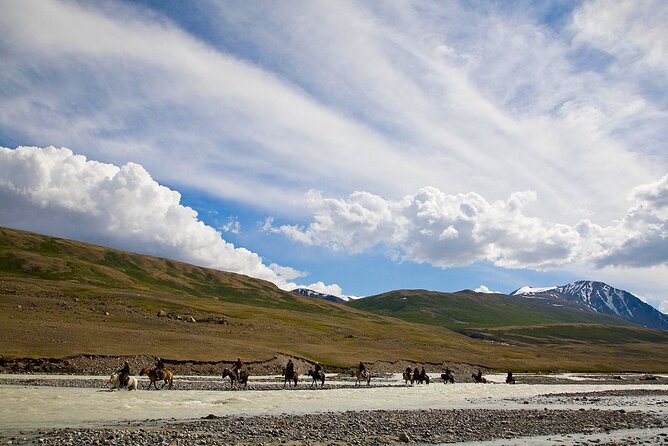
From there, you work your way toward the Tsagaan Us River and into the broader river valley system fed by the Tavn Bogd glaciers. This is where you start to feel the scale of the area. Days are structured around river corridors, which means you are always moving between shelter, open views, and changing terrain.
When you reach Cheben Hill, you set camp overlooking grassy plains with a few ger camps below. That cool, tranquil feel up high is a gift. It gives you a break from exertion without fully stepping away from the wilderness experience.
Other nights with a herding family, ger and all
Gorge Days on the Tsagaan Gol: Canyon Walls and a Practical Approach to Flooding
The trek gets dramatic around the Tsagaan Gol River. You descend Cheben Hill toward the mouth of the river gorge, then hike up the gorge on the eastern bank. Riders continue along the river banks as the canyon walls rise around you.
One thing to understand here: the river can flood in places. That affects how hikers move, since hikers may go higher as needed. It is good to know this ahead of time because it means the day is responsive. You are not doing one rigid trail for every traveler. The team plans around conditions.
Even so, it sounds incredibly scenic, with the white Tsagaan River flowing in front of camp and high snow-capped mountains shouldering the valley.
If you are the type who likes predictable schedules, this is the one phase where the “plan” is partly weather and river dependent. The advantage is you are not stuck walking a template. You are moving with the landscape.
The 10,350 ft Pass Day: Snow Possibility and Learning the Pace
At some point, the itinerary asks you to earn the view with altitude. You trek out of the river gorge and ascend to a 10,350 ft mountain pass with views toward the Sheveet Uul gorge.
You might deal with snow if there has been precipitation, and if that happens you may need to dig a path through. That is a very real reminder that Altai travel is not only about sunlit hikes. It is about adapting.
After the pass, you descend a steep incline on foot and set camp at Sheveed Uul Gorge. This kind of day tends to be tiring in the way that sticks with you, especially if you are new to trekking uphill at altitude. The practical trick is pacing, not speed. Eddie’s presence and the crew setup matter here because good guidance reduces panic, and panic is what slows people down.
Tuvan Community Visit and the Altai Petroglyphs: 11,000 Years Under Your Feet
A standout day is the visit to a small ger community to meet Tuvan people who follow traditional shamanistic beliefs. That is valuable because it gives context for how people interpret the natural world around them.
Then, at the lunch spot, you encounter ancient petroglyphs. The Petroglyphs of the Mongolian Altai are described as some of the largest, oldest, and most pristine concentrations of rock art in North Asia, with earliest images dating back around 11,000 years, continuing into the 9th century. That kind of time depth changes how you look at the region. The mountains do not feel like scenery. They feel like archives.
After that, you descend into the Tsagaan Gol river valley and camp for two nights with glaciers and peaks visible in the distance. Two-night camping helps here because you get time to relax your body after a cognitively intense day. You are not rushing out of the big moments.
Rest Day on the Plateau: Laundry Time and a Bright Lake Find
A rest day is not a luxury in a trek like this, it is part of staying strong. You take a scenic hike to a beautiful blue lake up on a plateau a few miles away from camp. You also get time for laundry and relaxation.
That sounds simple, but in long remote travel, laundry time is morale. It also keeps your gear from turning into a stinky science experiment in the middle of nowhere. If you care about comfort later in the trek, this rest day sets you up well.
Potanin Glacier Challenge: Frost-Heave Terrain and High-Mountain Boundaries
Then you head into the toughest part of the route. The day to the Potanin Glacier is described as a challenging trek over frost-heave and uphill terrain.
The glacier sits at the foot of Khuiten Peak, noted at 14,350 ft, which makes the area feel serious, almost planetary. The region above treeline is characterized by tundra, lichen-covered rocks, alpine meadows, and high mountain swamps, with very few animal species adapted to the harsh conditions.
You also pass near Nairamdal Peak, described as a triple border point where Mongolia, Russia, and China meet. That detail is more than trivia. It explains why this region feels both remote and historically important. You are standing close to a zone that connects multiple worlds.
This is also a day where footwear, footing, and mental focus matter. If you struggle with uneven ground or cold conditions, take it slow. The goal is finishing feeling good, not sprinting and paying later.
Final Trail Day Into the National Park Gate, Then Home Through Ulgii
After leaving the Tavn Bogd peaks behind, you go north and east to the ranger station gate to the national park. It is your final day trekking, and you also get what feels like a closing moment for horse lovers: it’s described as your last chance to give your horse its head and let it run.
Then camels are unloaded, vehicles bring you back to Bayan Ulgii, and you overnight at a ger camp. The next day you fly back toward Ulaanbaatar and stay again at the Tuushin hotel, with time for a night out on the town.
Finally, you transfer to Chinggis Khaan International Airport for onward plans. It is the classic “you did it” moment, but the trek also leaves you with a calmer way of seeing places. The mountains and river valleys start to feel like they are still in motion inside your head.
Price and Value: Is $8,250 Per Person Reasonable Here?
At $8,250 per person for about 15 days, this is not a budget adventure. The value is in what you are buying: real local access, private group travel, expedition support, and time in areas where you cannot just show up and wing it.
Here is what is included that matters for value:
- Private transportation that handles moving people and gear across long distances
- Most meals covered, with 13 breakfasts, 13 lunches, and 13 dinners
- A guided experience centered on Eddie Frank, plus a dedicated trekking crew and horsemen
- A setup that supports both on-foot walking and horseback riding, rather than forcing you to choose one
The money also buys comfort in the logistics sense. You do not haul everything on your back the whole time, and you pack into waterproof Tusker duffels for camel transport. That might sound like a small detail, but it changes your daily energy.
What is not included is getting you to Mongolia, from your home origin. That is a normal travel add-on, but it is still a real cost, especially if flights are expensive.
So who does this trip really fit? People who want a guided, culturally grounded adventure and are okay spending for high-touch service in a remote region.
Who This Trip Fits Best (and Who Should Think Twice)
This is a great match for you if:
- you want a horse-and-hike trek, not a horseback-only ride or a hiking-only slog
- you enjoy culture that you can see in daily practice, not only in museums
- you can handle long days on uneven terrain and higher altitudes
- you want instruction, especially if you are new to riding
You should think twice if:
- you struggle with strenuous travel, cold conditions, or long walking days
- you need everything to stay predictable minute to minute, since river and pass conditions can affect how the day unfolds
- you are looking for a relaxing luxury trip, because this is adventure-first by design
Should You Book This Mongolia Nomad Trek?
I’d book it if you want a trip that mixes real nomad life, serious mountain scenery, and genuine riding coaching under Eddie Frank’s leadership. The combination of Kazakh eagle hunter encounters, Tusker Nadaam horseback games, Tuvan shaman beliefs, and major Altai petroglyphs is rare. Add in the fact that you get rest time and meals covered for most days, and the price starts to feel like it supports the kind of access and support you cannot DIY.
If you are physically prepared and you respect the conditions, this is the kind of journey that sticks. Not as a list of sites, but as a changed sense of how vast Mongolia feels when you are moving through it on horseback and on foot.
FAQ
Where does the trek start?
The meeting point is Buyant Uhaa Airport in Ulaanbaatar, Mongolia.
How long is the Mongolia Nomad Trek?
The tour is approximately 15 days.
Is horseback riding included, and will I get instruction?
Yes. Eddie Frank provides riding basics and regular riding clinics, and you’ll ride a Mongolian horse during the trek, starting with instruction using Australian saddles.
What kinds of activities and sights should I expect?
Expect a mix of hiking and horseback riding, nomad community visits in gers, horse games on horseback (Tusker Nadaam), Kazakh eagle hunter encounters, and visits to ancient petroglyphs.
What meals are included?
Breakfast, lunch, and dinner are included for 13 days each.
What is not included in the price?
Travel fees from your home origin to and from Mongolia are not included.
What if weather is bad or plans change?
The experience requires good weather. If it’s canceled due to poor weather, you’ll be offered a different date or a full refund. You can cancel up to 24 hours in advance for a full refund.
More Tour Reviews in Ulaanbaatar
- From Ulaanbaatar: Genghis Khan Statue NationalPark CamelRide
★ 4.8 · 353 reviews - Genghis Khan Statue Day Tour+National Park+Camel Ride+Eagle
★ 4.5 · 261 reviews - From Ulaanbaatar: Central Mongolia Guided 3-Day Tour
★ 4.6 · 186 reviews - Ulaanbaatar: Small Group 3-Day Best of Central Mongolia Tour
★ 4.1 · 171 reviews - Terelj national park transport /Best price tour
★ 4.7 · 135 reviews
More Nights in a Ger
- Cooking Class in a Traditional Ger Home in Ulaanbaatar Suburbs
★ 5.0 · 84 reviews - MONGOLIAN NOMADS: 2-Day Horse Trekking & Cow Milking Tour
★ 4.8 · 23 reviews - Overnight Semi-Gobi Tour with Nomadic HomeStay
★ 4.5 · 6 reviews
More Days in the Saddle
- Horseback Riding Tour to Turtle Rock & Aryabal
★ 5.0 · 54 reviews - Terelj National Park: Tour with horse riding and hiking
★ 5.0 · 46 reviews - MONGOLIAN NOMADS: 2-Day Horse Trekking & Cow Milking Tour
★ 4.8 · 23 reviews - Horse riding in Terelj National Park
★ 5.0 · 14 reviews - Full Day Private Tour in Terelj National Park with Horse Riding
★ 5.0 · 13 reviews
Still fixing the route? Other Mongolia trips we have written up
Mongolian Horse Riding & Treks, side by side.
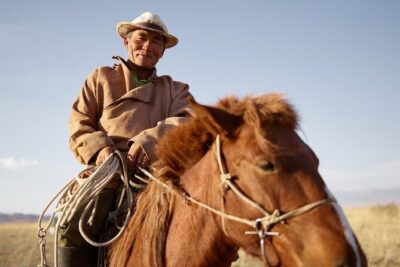 ★ 5.0Horseback Riding Tour to Turtle Rock & AryabalFrom $15054 reviews
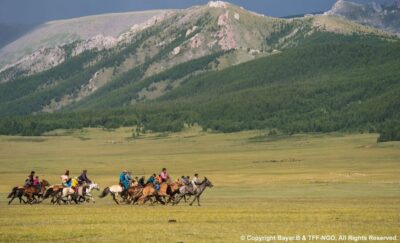 ★ 5.0Terelj National Park: Tour with horse riding and hikingFrom $29946 reviews
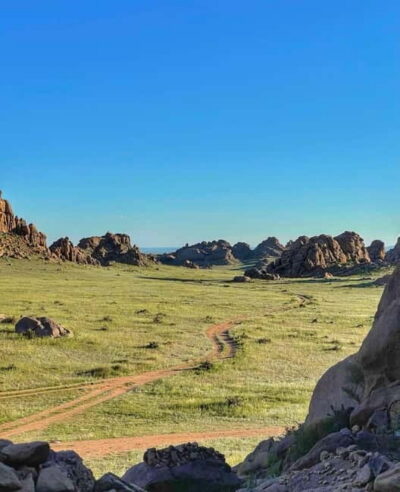 ★ 4.8MONGOLIAN NOMADS: 2-Day Horse Trekking & Cow Milking TourFrom $36923 reviews
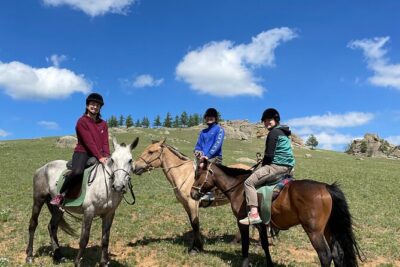 ★ 5.0Horse riding in Terelj National ParkFrom $13914 reviews
 ★ 5.0Full Day Private Tour in Terelj National Park with Horse RidingFrom $13013 reviews
 ★ 5.01 Day Semi-Gobi Tour with Lunch And Enjoying Camel or HorsebackFrom $1389 reviews
 ★ 5.0Full Day Chinggis Khaan Statue & Terelj NP Tour +Horseride, EagleFrom $1307 reviews
 ★ 4.32 Day Horse trekking in Terelj national parkFrom $3105 reviews
This tour also appears in