
REVIEW · HIKING & TREKKING
Mongolia Trekking Tour in the Altai Tavan Bogd National Park
The Altai gives you real grit. This 10-day trek in Altai Tavan Bogd National Park pairs hard mountain days with visits to nomadic camel-borne luggage life, including Tuvan and Kazakh families. You’ll get an English-speaking guide, an off-road driver, and a personal expedition cook, so you’re not just “left to survive.”
I love how the route hits the park’s key highlights without pointless backtracking, from panoramic base-camp views to the hike up Malchin Peak. I also like the human side, because you’re not only sightseeing, you’re meeting families who still live their traditions in yurts and on the move.
One consideration: this is remote hiking with some steep passes and tricky river crossings, and you need moderate physical fitness plus comfort with non-drinkable river water.
In This Review
- Key things I’d highlight before you go
- Olgii start and the off-road drive into the real Altai
- Day 1 to Day 2: base camp views with baggage carried for you
- Day 3 up Malchin Peak, a near-Russia border climb
- Day 4 to Day 5: White River trekking and the Black Valley Tuvan connection
- Day 6: Takhilt Pass to Bear Valley, the no-bridge river reality
- Day 7: meet the driver, then swim, Biluu hill, and Khoton Lake
- Day 8: Kazakh eagle hunter family stay in yurts and Waterfall Valley
- Day 9 to Day 10: back to Hovd, hotel comfort, and farewell dinner
- Price and value for $2,300 per person on a private 10-day trek
- Who this trek suits best, and who should think twice
- Should you book this Altai Tavan Bogd National Park trek?
- FAQ
- What time does the tour start?
- Is this a private tour?
- Is pickup offered?
- How long is the trek?
- Is baggage carried for me while trekking?
- Do I need special climbing gear for Malchin Peak?
- Can I drink the White River water?
- What is included in the $2,300 price?
- What should I bring in terms of clothing and requirements?
- Is alcohol included?
Key things I’d highlight before you go
- Camel transport for your gear, so you can pack light for the day hikes.
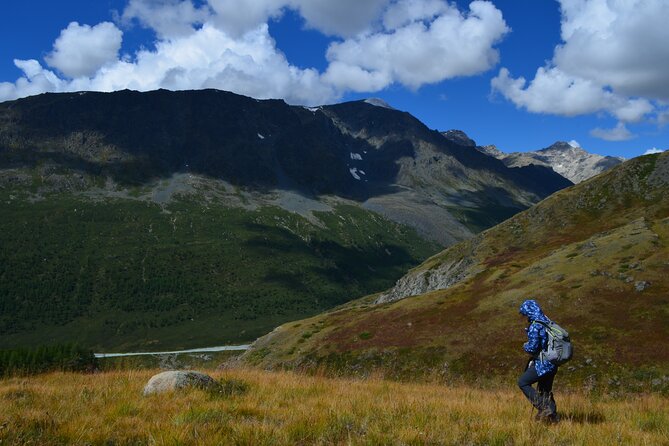
- Malchin Peak near the Russia border, with snow near the top and rocky footing.
- White River dust color and the clear note that it is not drinkable.
- Takhilt Pass to Bear Valley, plus river crossings where there is no bridge.
- Two culture stops with Tuvan and Kazakh families, including time in traditional yurt stays.
- One town reset day in Hovd with a hotel night and a farewell dinner.
Olgii start and the off-road drive into the real Altai
You start in Olgii (spelled Olgiy in the materials you get), meeting your local support team at the airport. From there, you roll toward the national park in an off-road vehicle, with driving taking about six hours on day 1. It’s not a scenic drive where everything is smooth and slow. It’s the practical kind, the kind that reminds you you’re far from “normal” travel and close to the way life actually works here.
What I like about this opening is that it sets expectations early. You camp, you prep, then you trek. There’s no long, confusing transition. You arrive, set camp, and your guide and cook get you organized for the next day’s walking.
You’ll also appreciate the guide setup: an English-speaking tour guide plus a local driver, and a cook who’s handling the food logistics. In a place like this, that combination matters more than fancy extras. You want your brains on the trail, not on figuring out meals.
If you’re the type who likes structure but still wants adventure, this plan fits you well.
Day 1 to Day 2: base camp views with baggage carried for you
After breakfast on day 2, you pack up and get ready for trekking. Here’s one of the smartest details in the whole plan: during the trek, all baggage and camping equipment are transported by camels. That means you only carry a few essentials for your day, like a lunchbox and water, plus a waterproof jacket and other trekking needs.
The payoff is big. Walking light can be the difference between enjoying the views and just grinding your way uphill. And the views are not small talk views.
Day 2 takes you to the base camp for panoramic scenes across the Altai, including Mt. Khuiten and the Potanin glacier. Even if you don’t know the geology details, you’ll feel the scale. This part works best if you go into it with a slow, steady pace mindset. You’re there for the big sky and the long sightlines.
Practical note: since you’re moving and camping, waterproof layers are more than comfort. When you’re surrounded by mountain weather swings, dry clothing is peace of mind.
Day 3 up Malchin Peak, a near-Russia border climb
Day 3 is the star day for peak lovers. You climb to Malchin Peak, described as a favorite mountain, and it sits on the borderline between Russia and Mongolia. That matters because the hike is not just about height, it’s about being in a place that feels geopolitically unique without turning the day into a border ceremony.
The climb takes about six to seven hours. You won’t need special climbing gear, but you do need good waterproof hiking boots. Near the top, there’s snow, while the rest is mainly rocky. Translation: plan for mixed footing. Your shoes and your balance skills matter more than fancy equipment.
The return to camp afterward keeps the day from feeling like a marathon that never ends. If you pace well on the way up, you’ll have enough energy to enjoy the views rather than just getting through them.
This is also a day where your head matters as much as your legs. If you tend to rush, you might feel the rocks take their time. Slow wins here.
Day 4 to Day 5: White River trekking and the Black Valley Tuvan connection
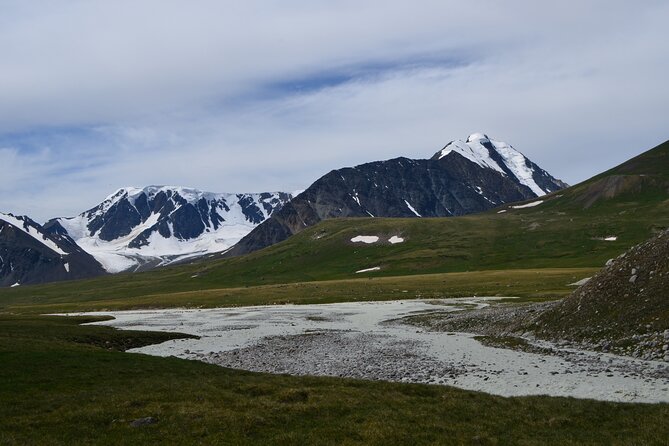
On day 4, you trek back toward the national park entrance using a different route that’s more enjoyable, following the White River. The river gets its pale look from mineral dust, and the materials are clear that it is not drinkable. I like when a tour is honest about this. In remote places, assumptions get people sick.
This day is a good reminder that your best photos might come on steady stretches, not only at summits. If you’re someone who enjoys watching how rivers carve the ground, you’ll enjoy the rhythm of this hike.
Day 5 moves you into the Khar Salaa, meaning Black Valley. White River Valley and Black Valley sit next to each other, and both are home to nomadic Tuvan people with their own language and culture. The plan includes a visit to a Tuvan family and an introduction to their shamanism belief and rituals.
This is the part that most improves the value of the trekking. You’re not just walking through scenery. You’re seeing how people live on the same lines of land you’re hiking.
A good mindset for this day: ask respectful questions, keep your pace flexible, and expect that hospitality might not run on your schedule. You’ll likely get a lot more than you think you will.
Day 6: Takhilt Pass to Bear Valley, the no-bridge river reality
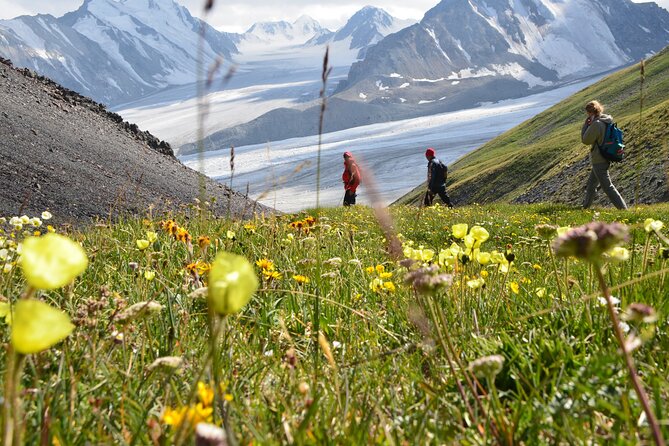
Day 6 takes you to Bear Valley, one of the most beautiful valleys in the park. But there’s an important detail baked in: Bear Valley is accessible only a couple of months a year. That means you’re going at a time when the route is actually open, and the guide is working with conditions that are not always available.
Before Bear Valley, you pass over the highest Takhilt Pass. Expect steep, high trails. This is not a casual walk day. It’s a mountain day where your legs will notice the elevation changes.
And then there’s the part that can surprise people: you’ll cross several rivers where there is no bridge. The plan notes you may cross barefoot or by jumping long. Your guide will take the safest way.
This is the one day where I’d be most honest with you. If you’re injury-prone, have balance issues, or hate improvising, take the lead from your guide carefully. Don’t pretend you’re tougher than the terrain. Safety beats pride.
When it goes well, the reward is wild-country feeling that you just don’t get on tours that avoid the hard stuff.
Day 7: meet the driver, then swim, Biluu hill, and Khoton Lake
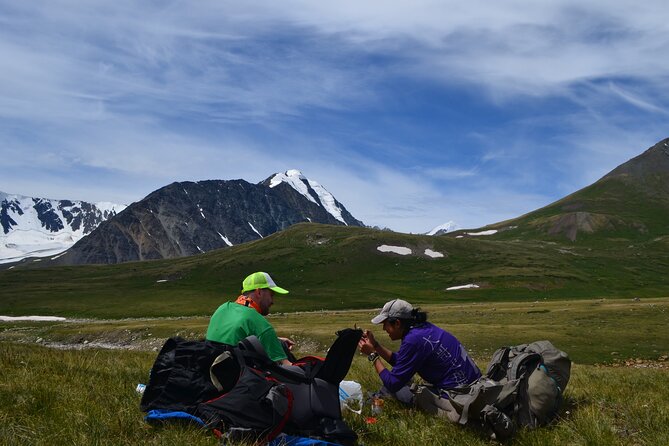
Day 7 starts with a hike of about three to four hours, and then you meet the driver at the end of the valley. After that, you switch gears from foot travel to car travel for about two hours, heading to a beautiful spot where you can enjoy swimming.
This is a relief day in the best way. After several days of walking, you get a chance to reset your body and cool off. It also gives you something to do with that energy that builds during trekking, rather than spending it all on endurance.
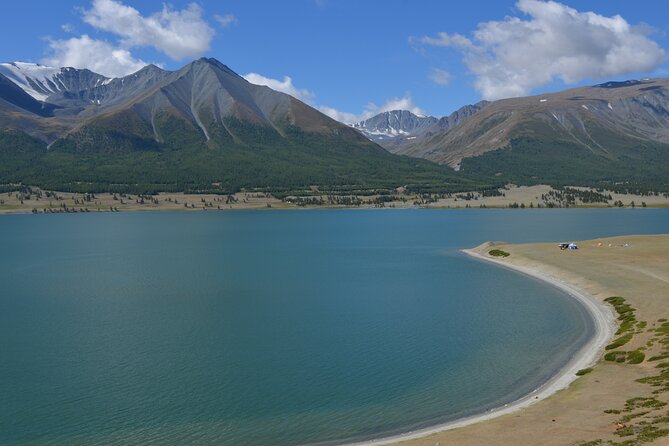
There’s also Biluu hill, where you can climb for surrounding views. Then the day includes Khoton Lake, described as a pure mountain lake with an amazing view. If you like water in the high country, this is one of those moments that makes the earlier effort feel worth it.
Because details like swimming can depend on season and conditions, keep your expectations flexible. Still, the structure of the day is smart: hike, drive, swim, and then optional viewpoint effort.
Day 8: Kazakh eagle hunter family stay in yurts and Waterfall Valley
Day 8 gives you a gentler start: you can wake up with no rush. Then you “migrate” after lunch, which is a half-hour drive to the next place.
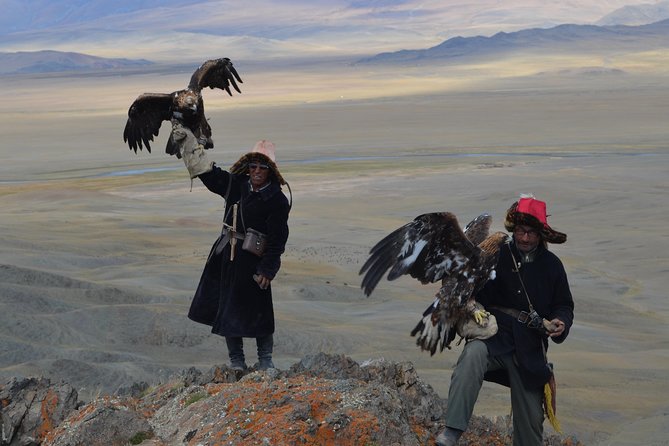
You’re welcomed by a Kazakh eagle hunter family. You meet local herders and stay as a guest in a traditional setup, including time in a yurt. The plan also includes a three-hour hike in Waterfall Valley in the afternoon.
This is another strong cultural day. The Kazakh eagle hunter tradition is closely tied to the landscape and seasons, so being there in the field makes it feel less like a “performance” and more like a lived practice. Even if you only grasp a portion of the story, just sharing meals and watching the rhythm of daily chores can change how you understand the place.
A practical way to get more from this day: be present. Don’t treat the yurt stay like a hotel check-in. Listen. Observe. Ask what your hosts want you to know.
Day 9 to Day 10: back to Hovd, hotel comfort, and farewell dinner
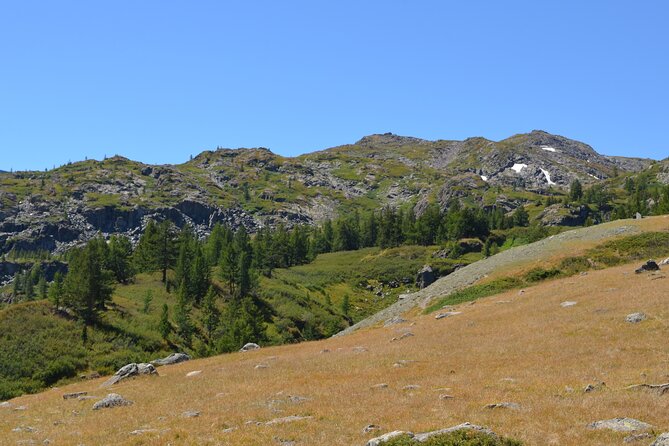
Day 9 is the long return. You drive back to the province center, another long stretch through endless Altai scenery. For lunch, there’s a break in Hovd valley. Then you stay in a hotel in town, which is a nice contrast after days in camping mode.
You’ll have a farewell dinner at a local restaurant, which gives you a chance to decompress with your guide and reflect on the week.
Day 10 is simple: end of service and thanks for coming.
For many trekking tours, the end can feel rushed. This one does a better job of creating a finish line that includes real rest. A town hotel night can help your body recover, so your trip doesn’t end with you feeling worn out for no reason.
Price and value for $2,300 per person on a private 10-day trek
At $2,300 per person for roughly 10 days, this sits in the premium range. That said, it can still feel like good value if you price it against what’s actually included and what’s hard to organize in remote western Mongolia.
Here’s what you get included:
- Accommodations as per the trip plan
- Park fees and all taxes, fees, and handling charges
- Driver and guide, plus a local guide
- Private vehicle transport
- Meals: breakfast (9), lunch (9), dinner (9)
- National park coverage, plus the moving logistics that make the hiking possible
What’s not included:
- Transportation to and from attractions (beyond the parts handled by the tour)
- Alcoholic drinks
- Domestic flight tickets
What makes the money feel more justified here is the combination of costs that are usually separate on cheaper trips: national park fees, off-road transport, a guide team, daily meals, and the systems for moving camp equipment and baggage by camel.
The tour also runs as private, meaning it’s only your group. If you’re traveling with friends or family, private format is often the most efficient way to keep flexibility without losing safety and planning.
If you prefer less guided structure and a lower price, this may feel steep. But if you want a smooth logistics backbone in a remote region, $2,300 can start to look reasonable.
Who this trek suits best, and who should think twice
This tour is listed for travelers with moderate physical fitness. That’s a fair label for a plan that includes a six to seven hour climb (Malchin Peak), steep pass hiking (Takhilt Pass), and long travel days between remote areas.
You’ll likely be a good fit if you:
- Enjoy long walks and can keep a steady pace
- Like peak views and river valleys
- Want to meet nomadic families rather than only pass by
- Appreciate a private group format
You should think twice if you:
- Have trouble with rocky footing, snow patches, or steep trails
- Strongly dislike barefoot or jump-style river crossings where there is no bridge
- Need drinkable water guarantees on the trail (the White River is explicitly not drinkable)
This is also a smart pick for travelers who enjoy authentic exchanges but still want an organized safety net with an English-speaking guide and expedition cook.
Should you book this Altai Tavan Bogd National Park trek?
I’d book it if you want the full Altai mix: big-mountain days, real trek effort, and direct time with Tuvan and Kazakh families. The camel-borne baggage setup plus the careful guide-led route makes it feel more manageable than you might expect for a remote national park hike.
I wouldn’t book it if you want easy terrain or you’re not comfortable with wild logistics like river crossings and non-drinkable water sources. This is adventure with real conditions, not a theme park version of the outdoors.
If you match that adventurous mindset and can handle moderate hiking, this tour looks like a memorable, high-value way to experience western Mongolia properly.
FAQ
What time does the tour start?
The meeting time is listed as 8:00 am.
Is this a private tour?
Yes. It’s described as private, meaning only your group participates.
Is pickup offered?
Pickup is offered, and the tour also includes transport by private vehicle.
How long is the trek?
The duration is listed as 10 days, approximately.
Is baggage carried for me while trekking?
Yes. During the trek, baggage and camping equipment are transported by camels, so you carry only a small day pack of essentials.
Do I need special climbing gear for Malchin Peak?
No special climbing gear is mentioned. You do need good waterproof hiking boots, because the top area includes snow and the rest is mostly rocks.
Can I drink the White River water?
No. The White River is described as mineral-dust colored and it is not drinkable.
What is included in the $2,300 price?
Included are accommodations, park fees and taxes, driver and guide services, a local guide, private vehicle transport, and meals (9 breakfasts, 9 lunches, 9 dinners).
What should I bring in terms of clothing and requirements?
You should plan for trekking with a waterproof jacket and good waterproof hiking boots. Dress code is smart casual, but on trekking days you’ll need practical layers. You also need to provide passport details at booking.
Is alcohol included?
Alcoholic drinks are not included, though they are available to purchase.
Hiking & Trekking, side by side.
 ★ 5.0Terelj National Park: Tour with horse riding and hikingFrom $29946 reviews
 ★ 4.8MONGOLIAN NOMADS: 2-Day Horse Trekking & Cow Milking TourFrom $36923 reviews
 ★ 5.01 Day Manzushir Monastery & Hiking to Tsetsee Gun (Bogd Khan Summit)From $9914 reviews
 ★ 5.0Mongolia Nomad Trek • On-Foot & Horseback ~ 15 DayFrom $8,2505 reviews
 ★ 4.32 Day Horse trekking in Terelj national parkFrom $3105 reviews
This tour also appears in