
REVIEW · MONGOLIAN CULTURE, MUSIC & NAADAM
The Land Of Eagle Hunters
Golden eagles, real Kazakh family life. This 11-day private tour around western Mongolia is built for one rare reason: you spend real time with Kazakh eagle hunter families in the High Altai and learn how daily life connects to the ancient practice of hunting with golden eagles. I also like the tight mix of culture and big nature stops, with places like Potanin Glacier and Khoton Lake on the same journey. The main consideration is the physical side of the plan, with hikes and long drives at altitude that suit people with moderate fitness.
There is also a practical comfort factor here. You get pickup in Ulaanbaatar, a mobile ticket, and most meals handled, so you are not constantly hunting for logistics. Plus, the operator’s team includes a real person you can reach, with Ron and the Mongolian Ways team focused on helping you feel safe and comfortable throughout.
In This Review
- Key things to know before you go
- Where Ulgii and the High Altai change your perspective
- Living with a Kazakh eagle hunter family, what you should expect
- Eagle hunting, golden eagles, and the real skill behind the tradition
- Ulaanbaatar start, domestic flights, and why logistics matter here
- Altai Tavan Bogd National Park days: Potanin Glacier, White River valleys, and Khoton Lake
- Turgen Glacier hikes and the border country feeling
- Khustai Nuruu National Park overnight: a different kind of Mongolia night
- Ulgii town days: mosque visit, bazaar walk, and everyday culture
- Back in Ulaanbaatar: history museum and Gandan Monastery
- Accommodation style: home stay, ger camps, and hotels
- Meals included: how that changes your budget and stress level
- Price and value: what $2,460 really buys you
- Who should book this Mongolia eagle hunter tour
- Should you book The Land Of Eagle Hunters?
- FAQ
- Where does the tour start?
- How long is the tour?
- Is this a private tour or a group tour?
- What meals are included?
- What is not included in the price?
- Can the booking be changed or refunded if plans change?
Key things to know before you go
- Kazakh home stay focus: multiple days built around living and learning, not just watching from a distance
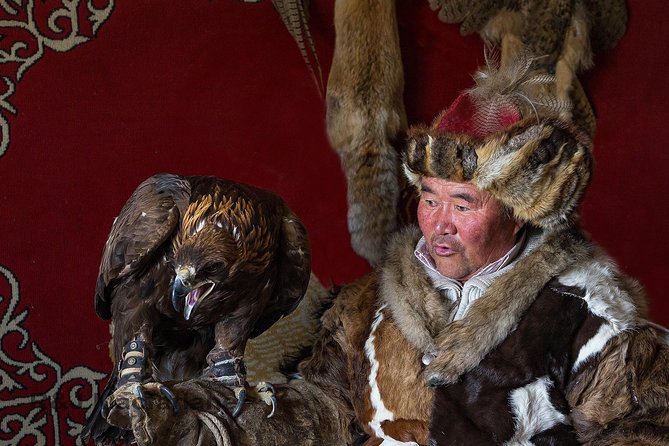
- Golden eagle hunting tradition: see how the craft fits into the rhythm of nomadic life
- National park variety: Altai Tavan Bogd National Park plus an overnight in Khustai Nuruu National Park
- Scenic hikes with clear goals: glacier views, stream walks, and Turgen waterfalls
- Meals are mostly covered: breakfast daily count is 10, with lunches and dinners also included on the majority of days
- Private experience, personalized pace: only your group participates
Where Ulgii and the High Altai change your perspective
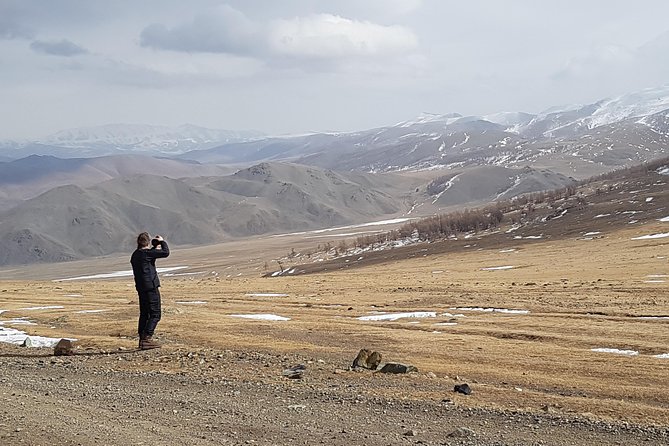
This tour puts you in western Mongolia, centered on Ulgii and the High Altai region in and around Altai Tavan Bogd National Park. If you think of Mongolia as only flat steppe, the Altai mountains correct that fast. You go from a fast-moving capital start in Ulaanbaatar to a place where weather, altitude, and daily work shape everything.
The big strength is that it is not only about eagles as a show. It is about the people and the culture around the practice. You spend days living with a Kazakh family, so you learn how nomadic life actually runs: the pace, the chores, the patience behind animal care, and the traditions that are tied to seasons and survival.
You will also get nature days with very specific targets. Potanin Glacier is not just a postcard stop, it is tied to a mount-and-ascend day. Khoton Lake and the surrounding area connect water, valleys, and big mountain walls. Turgen Glacier and the waterfalls give you a clear hike goal with a built-in reward at the end.
More throat singing, Naadam and the folk stage
- Cooking Class in a Traditional Ger Home in Ulaanbaatar Suburbs★ 5.0 · 84 reviews
- MONGOLIAN NOMADS: 2-Day Horse Trekking & Cow Milking Tour★ 4.8 · 23 reviews
- City tour all included, traditional music and dance concert★ 4.6 · 9 reviews
- The Land Of Eagle Hunters★ 5.0 · 4 reviews
- Day tour with Traditional clothes and photographer★ 5.0 · 4 reviews
Living with a Kazakh eagle hunter family, what you should expect
The heart of the experience is the 3 days living with a Kazakh eagle hunter family. That is the part most people talk about first, and for good reason. A home stay works best when you go in with the right mindset: you are there to learn, follow the rhythm, and accept that this is not a hotel schedule.
Here is what the plan signals you should prepare for:
- You will likely spend time in a ger (Mongolian felt home) and also use ger camps and hotels at different stages, depending on the day
- You should expect daily life to be practical, not staged, because that is the point of the tradition
- You will have chances to talk about nomadic life and the role of hunting with golden eagles
Also, because this is a private tour, your guides can shape the conversation. That matters. In a group tour, you often get a few questions and then move on. Here, you can ask the things that matter to you, like how training works, why certain methods endure, and how the family balances tradition with everyday survival.
Eagle hunting, golden eagles, and the real skill behind the tradition
The tour is explicitly focused on learning the ancient art of hunting with golden eagles. That does not mean you will only see equipment or hear stories. The whole design connects the tradition to the family’s daily life, so the eagle becomes part of the household, not a prop.
One of the most praised moments connects to the regional eagle culture scene. In particular, people have highlighted close contact with eagle hunters at the Eagle Festival. Since the festival timing is seasonal, you should treat it as a potential bonus depending on your travel dates, not something you can guarantee every day.
How to make the most of it:
- Pay attention to how handlers describe timing and animal behavior
- Ask about the working relationship between the hunter and the birds
- Be respectful and follow any guidance from your hosts during eagle-related moments
If you are coming for “spectacle,” you might be slightly disappointed. If you are coming for meaning and context, this is exactly the right kind of trip.
Ulaanbaatar start, domestic flights, and why logistics matter here
The experience begins in Ulaanbaatar at Buyant Uhaa Airport, with a stated start time of 8:00 am. From there, you check in and get your bearings on arrival.
Day 2 is an early wake-up and then a domestic flight to Olgii, the provincial center in Bayan-Olgii. That flight is more than a way to save hours. It signals a shift in travel style, from city infrastructure to remote driving and mountain travel.
Why this matters for you: the best cultural trips in Mongolia still require you to manage time and energy. If you are the type who hates early mornings, this is the first day where your routine changes. If you are flexible, the pace feels natural because you are traveling into a different world.
Altai Tavan Bogd National Park days: Potanin Glacier, White River valleys, and Khoton Lake
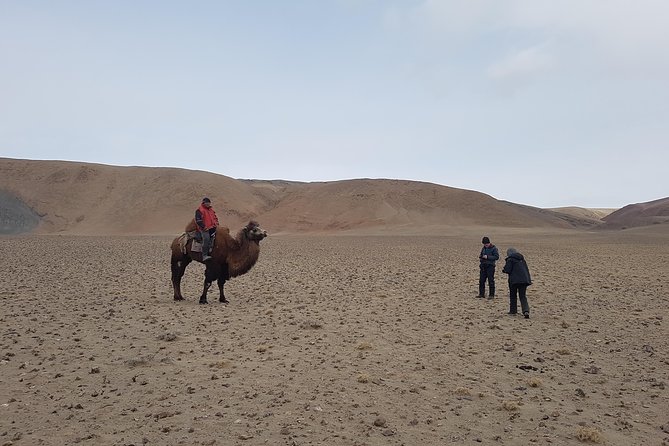
After a 7-hour drive from Olgii, you land in the Altai Tavan Bogd National Park area. This day is built around moving westward and upward in spirit, not just distance. You are trading easy schedules for bigger scenery and fewer conveniences, which is part of why this trip works.
The most physically demanding highlight comes on the Potanin Glacier day. You start on horseback, then ascend toward Potanin Glacier. The glacier runs about 14 km long, and the massif forms the backdrop for the whole approach. Even if you keep expectations realistic, glacier areas do two things well: they give you scale and they make you feel how weather and elevation shape the region.
Then you shift to water-focused scenery and valleys:
- The White River drive heads toward the Snake Valley area
- You get a 2-hour hike along a clear stream with views over the surroundings
- You spend time by Khoton Lake
Khoton Lake is a standout for many reasons. It gives you a place to slow down after driving days. You are also less likely to feel like you are constantly “moving through” Mongolia without stopping, because lake settings naturally force slower observation.
Practical tip for your comfort: in high-altitude regions, temperature can change quickly. Even if the day looks clear, plan for layers.
Turgen Glacier hikes and the border country feeling
One of the most striking segments is the day up the Altai range toward the Turgen Glacier, described as marking the border between Mongolia and China. That adds an emotional layer to the hike, because you are not just walking in a big park, you are moving through a boundary zone shaped by geography and history.
You take a few hours hike to two waterfall areas, labeled as small (baga) and big (ikh) Turgen waterfalls. After the hike, the plan includes a pause at a yurt. That combination is a strong travel formula:
- you get movement and effort
- you get a payoff you can point to at the end
- then you get a calm moment in a traditional setting
If you are a photo person, you will have lots of chances. If you are not, the best part is still the sense of arriving at a place and then resting, not just passing by.
Khustai Nuruu National Park overnight: a different kind of Mongolia night
The overview notes an overnight in Khustai Nuruu National Park. That matters because it changes the “feel” of the trip. Instead of only mountain and glacier focus, you also get a grassland and wildlife-oriented environment.
What you should take from this stop is variety. Even if you have seen national parks elsewhere, the difference here is the regional mix of terrain and how the day-to-day changes when you trade steep altitude for a broader, more open environment.
Ulgii town days: mosque visit, bazaar walk, and everyday culture
You swing back to Olgii, then you head into town for cultural stops. One highlight is a visit to the largest mosque in the town. After that, the plan includes a walk through the main bazaar.
This is the part of the trip that helps you connect the mountain days back to real life. After days focused on hiking, weather, and animal traditions, you get human scale again: shops, conversations, and the rhythm of a western Mongolian provincial center where the Muslim Kazakh majority is an important part of the local identity.
It is also a good day to think about souvenirs in a smart way. A bazaar walk gives you context, not just a quick buy-and-go stop.
Back in Ulaanbaatar: history museum and Gandan Monastery
Once you fly back to Ulaanbaatar, you keep the schedule cultural rather than frantic. The plan includes Gandan Buddhist Monastery, described as the center for Buddhist life.
A second day adds the National History Museum, with a permanent exhibition covering civilizations that have inhabited Mongolian territory from prehistory onward. That museum stop is valuable because it gives you a framework for what you just saw in the Altai.
It also keeps your trip from becoming only “nature and eagles.” You get a sense of continuity, how nomadic traditions, religious life, and empire-era histories fit together across time.
On the final travel day, you simply drive to the airport and fly out of Mongolia.
Accommodation style: home stay, ger camps, and hotels
The tour’s accommodation mix is part of its practical realism. You are living with a Kazakh family for key days, and you also use ger camps and hotels at other points. That makes the trip more comfortable and more flexible than forcing one accommodation style for all 11 days.
What to keep in mind:
- Ger nights are part of the experience, but they also require you to be okay with basic comfort levels
- Hotels help you reset between remote mountain segments
- The shift between accommodations is intentional, so you do not spend every day in one setting
If you want a “soft landing” after long drives, hotels on the city sides help. If you want maximum authenticity, the home stay days are the focus.
Meals included: how that changes your budget and stress level
Meals are one of the most helpful value pieces on this trip. The plan lists:
- Breakfast (10)
- Lunch (9)
- Dinner (10)
That is a lot of food coverage, which matters in remote regions where it can be harder to find reliable meals at consistent quality. It also reduces decision fatigue. Instead of asking where to eat every day, you can focus on getting to the next hike, eagle moment, or cultural stop.
The tradeoff is dietary flexibility. The tour does not list special diet support details here, so if you have strict needs, you should ask before booking.
Price and value: what $2,460 really buys you
At $2,460 per person, you are paying for more than transport. You are paying for:
- a private guide and personalized pacing
- a multi-day home stay centered on Kazakh eagle hunting life
- significant driving in remote western Mongolia, including mountain days
- a full package schedule with domestic flights built into the flow
- mostly covered meals
If you tried to DIY this, you could possibly lower the sticker price. But you would almost certainly lose the quality of the home stay component and the smooth sequencing between regions. That is the key value question here: do you want the people and the access that come from a prepared plan, or do you want to gamble on arranging each step yourself?
For people who care about authenticity and cultural context, this price can feel fair. For people who only want sightseeing without learning and staying with locals, it will likely feel expensive.
Who should book this Mongolia eagle hunter tour
This is a strong fit for you if:
- you want a private trip where questions are encouraged
- you care about nomadic life and the daily structure behind eagle hunting
- you can handle moderate physical activity, including hikes and a day involving horseback and ascent toward a glacier
- you want a blend of mountain nature days and city culture days
You might think twice if:
- you dislike early starts and long driving blocks
- you are very sensitive to cold or high-altitude conditions
- you want a trip with lots of downtime and minimal effort
One review specifically praised how the trip still worked even in winter. That suggests the operator plans thoughtfully for harsh conditions, but you should still be prepared for real weather.
Should you book The Land Of Eagle Hunters?
I would book this tour if you are excited by the idea of learning from a Kazakh eagle hunter family and you want your Mongolia days to have structure, not just wandering. The best parts are the home stay focus, the golden eagle hunting tradition as lived experience, and the way the trip layers in dramatic Altai nature stops like Potanin Glacier, Khoton Lake, and the Turgen waterfalls.
I would not book if you are primarily hunting for easy sightseeing. This plan includes hikes, altitude, and lots of moving between regions. It is designed for people who want effort that pays off with meaning.
FAQ
Where does the tour start?
It starts at Buyant Uhaa Airport in Ulaanbaatar, with a stated start time of 8:00 am.
How long is the tour?
It is listed as 11 days approximately.
Is this a private tour or a group tour?
It is a private tour/activity, and only your group participates.
What meals are included?
Breakfast is included 10 times, lunch is included 9 times, and dinner is included 10 times.
What is not included in the price?
Travel insurance and the Mongolian visa are not included.
Can the booking be changed or refunded if plans change?
The experience is non-refundable and cannot be changed for any reason.
More Tour Reviews in Ulaanbaatar
- From Ulaanbaatar: Genghis Khan Statue NationalPark CamelRide
★ 4.8 · 353 reviews - Genghis Khan Statue Day Tour+National Park+Camel Ride+Eagle
★ 4.5 · 261 reviews - From Ulaanbaatar: Central Mongolia Guided 3-Day Tour
★ 4.6 · 186 reviews - Ulaanbaatar: Small Group 3-Day Best of Central Mongolia Tour
★ 4.1 · 171 reviews - Terelj national park transport /Best price tour
★ 4.7 · 135 reviews
More Naadam, Music and Mongolian Craft
- Cooking Class in a Traditional Ger Home in Ulaanbaatar Suburbs
★ 5.0 · 84 reviews - Ulaanbaatar: Traditional Music and Dance Performance Ticket
★ 4.7 · 67 reviews - MONGOLIAN NOMADS: 2-Day Horse Trekking & Cow Milking Tour
★ 4.8 · 23 reviews - City tour all included, traditional music and dance concert
★ 4.6 · 9 reviews - Day tour with Traditional clothes and photographer
★ 5.0 · 4 reviews
Still fixing the route? Other Mongolia trips we have written up
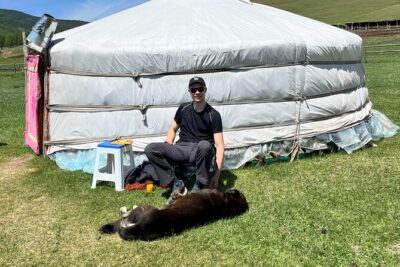
Mongolian Culture, Music & Naadam, side by side.
 ★ 5.0Cooking Class in a Traditional Ger Home in Ulaanbaatar SuburbsFrom $19984 reviews
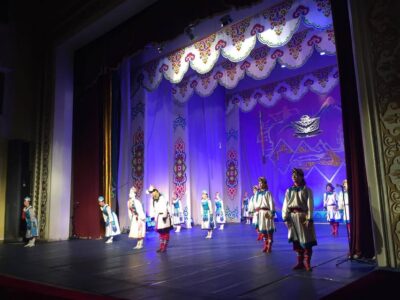 ★ 4.7Traditional Music and Dance Performance TicketFrom $6967 reviews
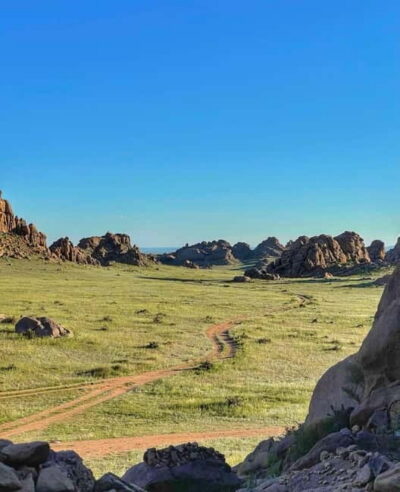 ★ 4.8MONGOLIAN NOMADS: 2-Day Horse Trekking & Cow Milking TourFrom $36923 reviews
 ★ 4.6City tour all included, traditional music and dance concertFrom $859 reviews
 ★ 5.0Day tour with Traditional clothes and photographerFrom $2504 reviews
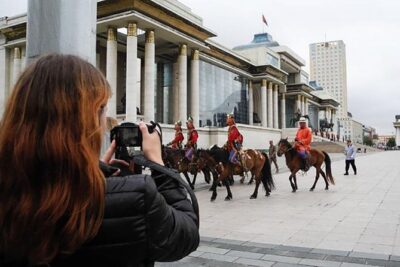 ★ 3.5Naadam Festival 2025 a day tripFrom $2553 reviews
 ★ 3.5National Naadam Festival – 1 dayFrom $3003 reviews
This tour also appears in