
REVIEW · HUSTAI NATIONAL PARK WILD HORSES
Wildlife Watching Day Tour at Hustai National Park
A Mongolian wildlife day starts early and pays off. You’ll ride out from Ulaanbaatar to Hustai National Park for close looks at Przewalski’s (Takhi) wild horses, with binoculars provided, plus chances to see other steppe wildlife. One thing to plan for is the 7:00 am start and a day that includes some walking, so bring clothing that works for cold or windy weather and wear sturdy shoes.
What I like most is that the day is built around real spotting time, not just a quick drive-by, and it stays focused on what makes Hustai special: animals in their natural habitat plus a short park orientation to help you read the landscape. The one possible drawback is simple: wildlife is wildlife. If conditions are off, your best sightings may take a little patience, and the tour runs in good weather.
In This Review
- Key highlights you will actually use
- Why Hustai National Park’s Takhi spotting is different
- Booking timing and the reality of a 7:00 am start
- Ulaanbaatar to Hustai: the 2-hour drive that sets the tone
- Getting oriented at the information center before you start watching
- Lunch at Hustai resort: simple, timed, and in the right place
- The afternoon wildlife walk: what you can reasonably expect
- Photo tips that match what Hustai really offers
- What’s included in the $232 price, and where value really comes from
- Winter and rough weather: what to plan for beyond the brochure
- Who this private wildlife day suits best
- Should you book the Hustai wildlife day tour?
- FAQ
- What time does the tour start?
- How long is the wildlife watching day tour?
- What wildlife might I see at Hustai National Park?
- What is included in the tour price?
- Is horse riding available?
- Is this a private tour, and do I get a mobile ticket?
Key highlights you will actually use
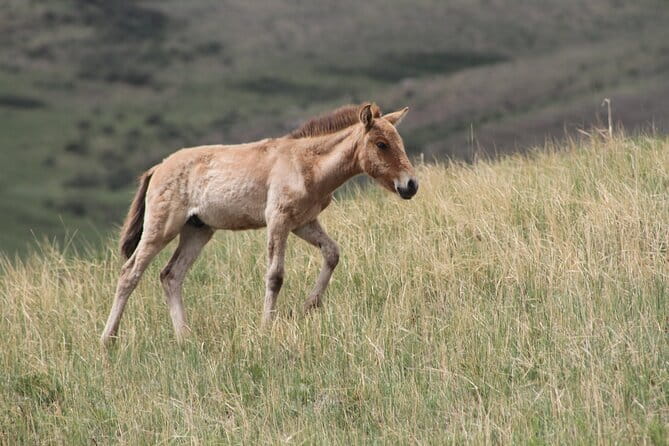
- Takhi (Przewalski’s) wild horses are the star, and seeing them in the wild is the point of the trip
- Binoculars and a wildlife-focused route help you spot animals at a respectful distance
- Short film and park orientation give you context before you start looking
- Lunch at a resort inside the park means less time searching for food, more time watching
- Winter trips can involve serious traction, and the driving is part of the experience in snow and ice
Why Hustai National Park’s Takhi spotting is different
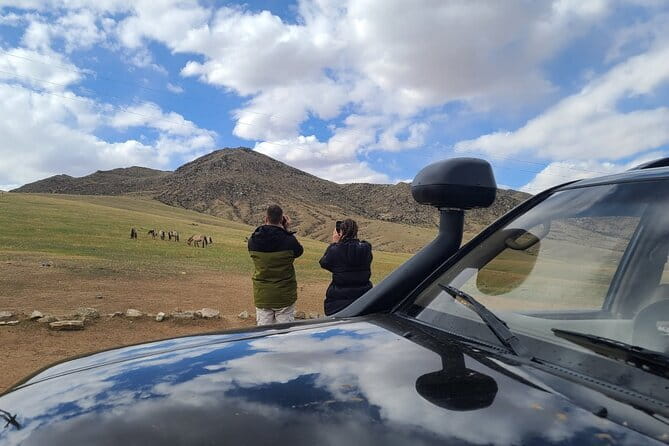
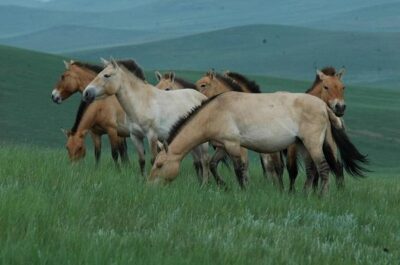
If you care about wildlife, Hustai National Park is one of those places where you can still feel the animals, not just admire them from afar. The reason is the Takhi, also called Przewalski’s wild horse. This is not a zoo-style encounter. You’re searching for them in a real steppe setting where they move, feed, and react to the land.
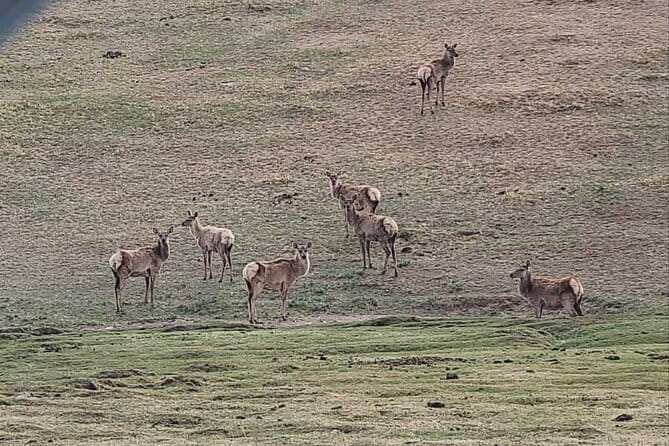
I like how the day is structured around actually finding wildlife after orientation. You start with a quick introduction to the park, then you move into the heart of the area where you can look for animals such as red deer, Siberian marmots, and different birds of prey. That mix matters. Some days you might get your best looks at horse herds, other days it can be deer and marmots doing their daily routines, and either way you get variety.
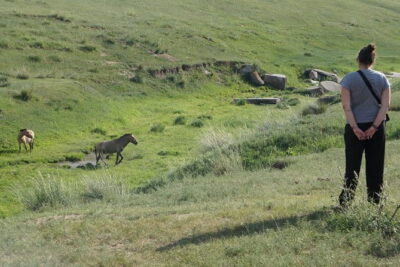
There’s also a photo angle here that feels genuinely attainable. Close enough for meaningful images, far enough for you to keep a respectful distance. You’re not chasing the animals. You’re watching them.
Other Hustai runs timed for when the takhi come down to drink
- From Ulaanbaatar: Day Trip to Hustai National Park★ 3.8 · 21 reviews
- Private Day Tour in Hustai Nuruu National Park★ 5.0 · 19 reviews
- Day Tour of Hustai National Park★ 3.0 · 18 reviews
- 1 Day Semi-Gobi Tour Including Lunch And Free Camel +Bonus Khustai National Park★ 4.0 · 6 reviews
- Wildlife Watching Day Tour at Hustai National Park★ 5.0 · 5 reviews
Booking timing and the reality of a 7:00 am start
This experience starts at 7:00 am, and that early pickup is not a gimmick. It’s what gives you enough daylight and time to drive into the park, get oriented, eat, and still have a solid wildlife window in the afternoon.
You’ll return to Ulaanbaatar before 5:00 pm, so you’re not losing an entire day to transit chaos. Still, you should treat it like a full day out. Plan your night before. Eat something filling, pack layers, and keep your camera gear ready. If you tend to run cold, bring extra warmth, even in shoulder seasons, because steppe weather can change quickly.
Because this is a private tour, only your group joins the experience, which usually makes it easier to pace the walk and adjust to your interests. It also means you should be honest about your comfort level. The tour calls for moderate physical fitness, mainly because you’ll do some walking in addition to driving.
Ulaanbaatar to Hustai: the 2-hour drive that sets the tone
You’ll leave Ulaanbaatar and drive about 2 hours to reach Hustai National Park. That ride is more than a transfer. It’s your warm-up, the time when you settle into the day’s rhythm and start looking out the window for cues of what’s ahead.
A private vehicle also helps in the practical way. You’re not negotiating other schedules or waiting for other people to return from a bathroom stop. When wildlife spotting starts, being able to move with your guide’s timing matters, because animals can shift location quickly.
If you’re sensitive to motion sickness, consider taking precautions. Rural roads and changing terrain can be bumpy. And if you’re going in winter, expect colder conditions and slower travel. One winter example from a past participant highlighted 4 wheeling in snow and ice, which is the kind of detail you’ll appreciate once you’re out there and the weather turns.
Getting oriented at the information center before you start watching
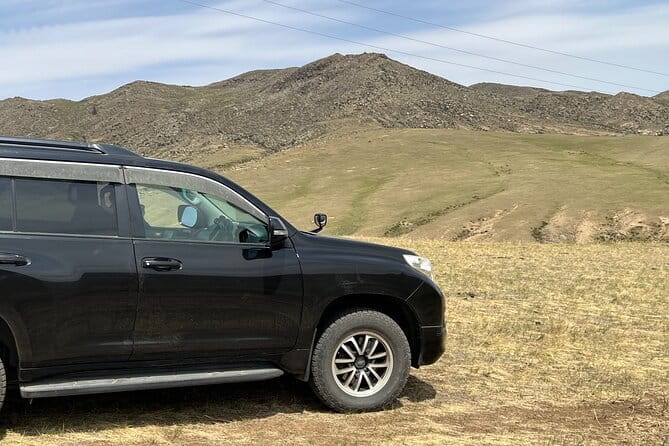
When you arrive, you don’t rush straight into the spotting. You first get an orientation at the information center, including a short movie and park introduction about the national park and the wild horse.
I like this part because it changes how you look. Instead of randomly scanning the distance, you start with a better sense of where the animals are likely to be active, what to pay attention to, and what behaviors mean. With animals like Takhi, noticing small details can make a big difference, because herds can blend into the terrain.
This is also a good moment to get your head straight on expectations. Birds of prey, marmots, and deer won’t all appear at once, and the day is designed to increase your odds by moving between good viewing zones.
Then after lunch, you head deeper into the heart of the park for more focused wildlife time.
Lunch at Hustai resort: simple, timed, and in the right place
Lunch is included, and you’ll eat at a resort in Hustai National Park. This is a smart setup for two reasons.
First, it saves time. You’re not trying to find a restaurant in the middle of nowhere while animals might be active nearby. Second, it keeps your day coherent. You eat, rest a bit, then you go back out with clear energy for the afternoon spotting window.
If you have dietary needs, you should plan ahead. The tour data confirms lunch is included, but it does not list specific menu options. Even when a meal is included, it can help to message in advance if you’re vegetarian, have allergies, or need a low-spice option.
More of the parks: Terelj, Hustai and further out
The afternoon wildlife walk: what you can reasonably expect
After lunch, you move into the most important part of the day: searching for wildlife. The tour includes a mix of short drives and walking. This is key. Just driving can only get you so far, because many animals use the land in ways that reward patient observation on foot.
Here’s what’s specifically on the radar:
- Takhi (Przewalski’s wild horse)
- Red deer
- Siberian marmot
- Birds such as cinereous vulture, golden eagle, Saker falcon, and Amur falcon
- Other potential sightings include wild sheep and Mongolian gazelle, since the park is rich in flora and fauna
The big value is not just seeing one animal. It’s seeing how the ecosystem works. Marmots can be spotted when you’re paying attention to movement and quiet behavior. Deer sightings often come from noticing trails and likely feeding areas. Birds of prey can take longer, because they might circle or perch far away, but binoculars help you stay locked in rather than guessing.
You’ll also likely notice a shift between the morning and the afternoon style of spotting. Early on you’re learning the basics. Later, you’re using those basics to identify what’s actually around you.
Photo tips that match what Hustai really offers
This tour is set up for photography, especially for those Takhi moments. But you’ll get better results by thinking like a wildlife observer, not a street photographer.
Use these habits:
- Keep your camera accessible, because you won’t want to fumble when you spot movement
- Focus on scanning in bursts. Use the binoculars first, then switch to the lens for framing
- Use zoom and crop instead of leaning forward. The distance matters for both safety and the animals’ comfort
- Watch for behavior changes, not just animal shapes. If the herd shifts direction, you may get a clearer view quickly
- Bring a lens cloth and plan for dust. Steppe air can be dry and rough on gear
If you’re going in winter, add gloves and a way to protect your hands. Fumbling with camera settings gets old fast when it’s cold. The winter praise about vehicle handling in snow and ice also points to a practical truth: conditions can affect your ability to stand still and watch, so warm layers help you keep your stance and focus.
What’s included in the $232 price, and where value really comes from
At $232 per person, you’re paying for a private day built around transportation, guided orientation, and wildlife time. The value story here is not just the ticket price, it’s what’s covered so you can focus on the experience.
Included items:
- Lunch at Hustai resort in the national park
- Bottled water
- Binoculars for wildlife watching
- Private transportation
- All fees and taxes
- Admission ticket is listed as free
That matters because it reduces the usual “surprise costs” on remote excursions. You have your meal, water, and key wildlife tools already covered.
What costs extra:
- Optional activities, especially horse riding, listed at $12 per hour
- Alcoholic beverages are allowed only for those 18 and above, and nothing indicates they’re included in the tour price
My take on the value: if you’re traveling with someone and you want a guide-led, wildlife-first day without the stress of figuring out transport and timing on your own, this price can feel fair. If you’re the type who only wants a quick photo stop, a long day might feel like overkill.
Winter and rough weather: what to plan for beyond the brochure
The experience runs with a weather requirement: you need good weather, and if the tour is canceled due to poor weather, you’ll be offered another date or a full refund. That’s not uncommon for Mongolia, but it’s worth planning around.
The most practical takeaway is this: winter is a different game. You’ll be out for hours in a colder, windier environment, and roads can be icy. One winter example from a past participant emphasized strong driving, including 4 wheeling in snow and ice on Dec 25. Even if every day is not the same, that kind of detail tells you the operator knows how to operate when the weather turns rough.
Pack for comfort, not just warmth:
- Layering system you can adjust when you stop for walking
- Windproof outer layer
- Gloves you can still use with a camera
- Sturdy shoes with grip
If you’re not comfortable walking in cold conditions, you can still enjoy the day, but you should be realistic about the “moderate physical fitness” note and bring the right gear.
Who this private wildlife day suits best
This tour fits best if you want a guided, wildlife-focused day without complicated logistics. It’s also a good match for people who like a blend of structured learning and open spotting time.
You’ll probably enjoy it if:
- You want a real chance at Takhi sightings rather than a quick look
- You appreciate having binoculars instead of relying on the naked eye
- You prefer private pacing with pickup included
- You like birds and small mammals, not only the big, obvious animals
It may be less ideal if:
- You hate early mornings and long drives
- You want a day with guaranteed animal sightings. Wildlife changes by weather and animal behavior
- You’re looking for a heavy hiking day. The walk is described as short, but it is still walking
If you’re traveling as a couple, a small family group, or friends who want a focused day in the countryside, private format is a big plus.
Should you book the Hustai wildlife day tour?
I’d book it if Hustai is on your Mongolia list and you care about wildlife in real habitat. The combination of a clear orientation, included binoculars, and a full afternoon spotting window is built for people who want more than a postcard. The value works best when you factor in lunch, transport, and fees being handled for you.
I would think twice if you’re going in a period where you can’t easily adjust plans due to weather, because the tour requires good conditions. Also consider your comfort with a 7:00 am start and the short walk element.
If you do book, go in with a simple mindset: watch calmly, use the binoculars, and let the steppe set the pace. That’s when Hustai feels most real.
FAQ
What time does the tour start?
The tour starts at 7:00 am.
How long is the wildlife watching day tour?
It runs for about 8 hours. You’ll return to Ulaanbaatar before 5 pm.
What wildlife might I see at Hustai National Park?
The park is known for Przewalski’s (Takhi) wild horses. The tour also highlights chances to see red deer, Siberian marmots, and birds such as cinereous vulture, golden eagle, Saker falcon, and Amur falcon.
What is included in the tour price?
Included are lunch at Hustai resort in the national park, bottled water, binoculars for wildlife watching, private transportation, and all fees and taxes. Admission is listed as free.
Is horse riding available?
Yes, horse riding is optional. The cost is listed as $12 per hour.
Is this a private tour, and do I get a mobile ticket?
Yes. It is a private tour/activity where only your group participates, and it includes a mobile ticket.
More Tour Reviews in Ulaanbaatar
- From Ulaanbaatar: Genghis Khan Statue NationalPark CamelRide
★ 4.8 · 353 reviews - Genghis Khan Statue Day Tour+National Park+Camel Ride+Eagle
★ 4.5 · 261 reviews - From Ulaanbaatar: Central Mongolia Guided 3-Day Tour
★ 4.6 · 186 reviews - Ulaanbaatar: Small Group 3-Day Best of Central Mongolia Tour
★ 4.1 · 171 reviews - Terelj national park transport /Best price tour
★ 4.7 · 135 reviews
More Mongolian Parks and Reserves
- Genghis Khan Statue Day Tour+National Park+Camel Ride+Eagle
★ 4.5 · 261 reviews - Terelj national park transport /Best price tour
★ 4.7 · 135 reviews - A day trip to Terelj National Park and Statue of Chinggis Khan
★ 5.0 · 74 reviews - Private Day Tour: Terelj National Park + Genghis Khan’s Statue ..
★ 5.0 · 73 reviews - Ulaanbaatar: Chinggis Khan Statue and National Park Day Trip
★ 4.6 · 65 reviews
Hustai and the Takhi, More Runs
- From Ulaanbaatar: Day Trip to Hustai National Park
★ 3.8 · 21 reviews - Private Day Tour in Hustai Nuruu National Park
★ 5.0 · 19 reviews - Day Tour of Hustai National Park
★ 3.0 · 18 reviews - 1 Day Semi-Gobi Tour Including Lunch And Free Camel +Bonus Khustai National Park
★ 4.0 · 6 reviews - Authentic Mongolian two days tours in Terelj & Khustai National P
★ 5.0 · 3 reviews
Still fixing the route? Other Mongolia trips we have written up
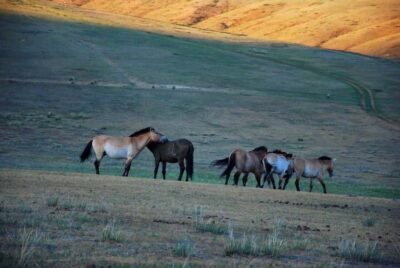
Hustai National Park Wild Horses, side by side.
 ★ 4.2Day tour to Hustai national parkFrom $9022 reviews
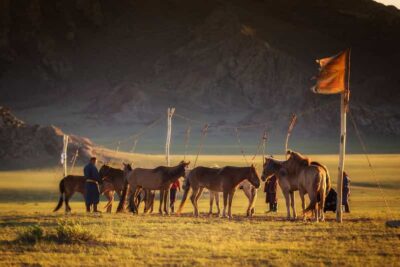 ★ 3.8Day Trip to Hustai National ParkFrom $19521 reviews
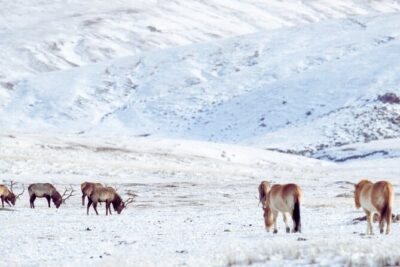 ★ 5.0Private Day Tour in Hustai Nuruu National ParkFrom $16019 reviews
 ★ 3.0Day Tour of Hustai National ParkFrom $17518 reviews
 ★ 4.01 Day Semi-Gobi Tour Including Lunch And Free Camel +Bonus Khustai National ParkFrom $1686 reviews
 ★ 4.51 Day Tour: Khustai National ParkFrom $2063 reviews
 ★ 5.0Authentic Mongolian two days tours in Terelj & Khustai National PFrom $5003 reviews
This tour also appears in