
REVIEW · GOBI DESERT EXPEDITIONS
7 days Great Gobi Tour
Granite cliffs, singing dunes, real nomad mornings. This 7-day Great Gobi circuit is built around big, dramatic nature stops plus real people time, starting from Ulaanbaatar and winding through Mongolia’s southern drylands. You also get a private-group setup with pickup offered, so the route feels practical instead of chaotic.
What I like most is the nomad-family breakfast by Yolyn Am and the well-chosen, time-optimized itinerary that strings together the Gobi’s best features without dragging. You’re not just staring out a window, you’re actually moving through the places.
One thing to consider: meals and accommodations tend to work best if you eat meat and dairy. If you’re vegetarian or vegan, you might want to check options early, since the tour is not consistently described as vegan-friendly.
In This Review
- Key highlights you should care about
- Why this Great Gobi week feels more human than a checklist
- Ulaanbaatar start point, pickup, and day one’s granite punch
- Ikh Gazriin Chuluu: granite rock, big height, and easy entry
- Tsagaan Suvarga, the White Stupa cliff: geology you can read
- Yolyn Am Ice Field: a gorge day with real nomad time
- Khongoriin Els singing dunes: the Gobi’s big sound and big scale
- Ongiin monastery ruins at Saikhan Ovoo: spirituality and quiet history
- Baga Gazariin Chuluu: caves, petro glyphs, burial mounds, and Choir monastery
- Day 7 back to Ulaanbaatar: how to land the trip without burnout
- The guides and driver, and why that affects your whole week
- Price and value: what $1,400 buys you in the Gobi
- What to pack for this week in the Gobi
- Is the “adventure and authenticity” fit for you?
- Should you book this 7 days Great Gobi Tour?
- FAQ
- How long is the 7 days Great Gobi Tour?
- What is the meeting point and start time?
- How much does the tour cost?
- Is this a private tour?
- Are entrance tickets included?
- What stops are included during the week?
- When do you receive confirmation?
- What is the cancellation policy?
Key highlights you should care about
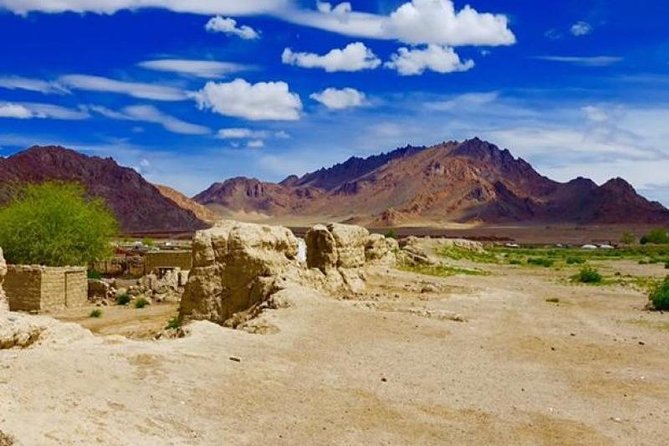
- Nomad morning at Yolyn Am: You start the day with breakfast shared by a nomad family, then head into the gorge.
- Iconic Gobi scenery in a short week: granite in Ikh Gazriin Chuluu, the White Stupa cliff, ice-field valley, dunes, and ruins.
- Guides who handle timing and photos: the tour team includes people like Tomuro (driver) and Singu Ratler (guide and photographer) in many departures.
- A mix of free and included admissions: several major stops list free entry, while days 5 and 6 include admission.
- Private group feel: only your group joins, which usually makes it easier to keep a steady pace and ask questions.
- Works as a first Gobi trip: it’s adventurous without requiring specialized skills like trekking.
Why this Great Gobi week feels more human than a checklist
The Gobi can feel like one giant, distant movie set, unless someone helps you connect the dots. This tour’s biggest strength is the balance: you see geology that took millions of years, and then you meet the people who live where the roads end.
You’ll get a clear rhythm. Mornings focus on a major stop, and the middle of the day shifts to driving and transitions. That matters because the Gobi is not the kind of place where you want to waste hours shuffling around.
Longer hauls south into the Gobi proper
- Ulaanbaatar: Semi-Gobi Desert Day Trip & Camel Ride★ 4.0 · 92 reviews
- Best 6-Day Gobi Tour Discover Mongolia★ 4.9 · 13 reviews
- Travel to Gobi by train Visit World energy Center★ 4.9 · 12 reviews
- 8 Days Tour: Gobi Desert And Kharkhorin★ 5.0 · 10 reviews
- 1 Day Semi-Gobi Tour with Lunch And Enjoying Camel or Horseback★ 5.0 · 9 reviews
Ulaanbaatar start point, pickup, and day one’s granite punch
The tour meets at Danista Nomads, Orkhon Street 1-37, BGD 16 khoroo, Ulaanbaatar 16040, and the start time is 8:30 am. Pickup is offered, which is a big help if you are not staying right near the meeting spot.
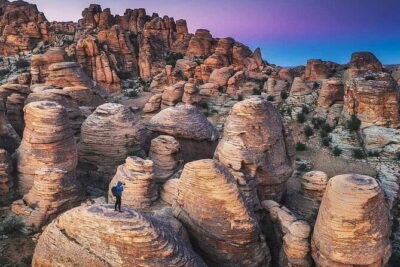
Day 1 is Ikh Gazriin Chuluu Nature Reserve, a granite mountain inside the Gobi. The peak is listed at 1706 m, so even the first day gives you a real sense of scale. Admission is free, which also keeps your budget tidy for the early part of the trip.
Practical tip: granite areas can be windy and exposed. I’d plan on layers and closed-toe shoes that you can trust on uneven ground.
Ikh Gazriin Chuluu: granite rock, big height, and easy entry
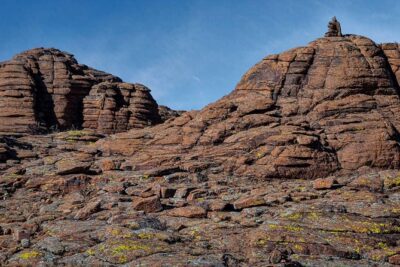
Ikh Gazriin Chuluu stands out because it is not just a view, it’s a whole rock story. Granite forms the kind of weathered surfaces where you can see patterns from a distance, then spot finer textures when you get closer.
This is also a good day to get comfortable with the pace. You are outside, you’re moving between viewpoints, and you’re not yet committing to the more strenuous feeling stops that come later.
If you’re hoping for a super structured museum-style experience, this might feel looser. But if you like walking around and letting the terrain do the talking, day one delivers.
Tsagaan Suvarga, the White Stupa cliff: geology you can read
Day 2 takes you to Tsagaan Suvarga, also known as the White Stupa. Locals give it that name because the cliff is shaped and eroded over time, and the “stupa” idea helps your brain picture the forms.
The description notes about 10 million years of history. It’s the kind of stop where the point is not a single photo, it’s noticing how the cliff changes with light and angle, like different eras are stacked into stone.
Admission is free, so you can spend your energy on watching and asking questions instead of worrying about costs. The main consideration is that cliffs are weather-dependent. If conditions are poor, you may want to take extra care with footing and wind.
Yolyn Am Ice Field: a gorge day with real nomad time
Day 3 is Yolyn Am Ice Field, described as a deep and narrow gorge in the Gurvan Saikhan Mountains. Even if the term ice field sounds like a winter theme, the bigger value here is the gorge shape, the way it channels air, and the dramatic walls that make the valley feel enclosed.
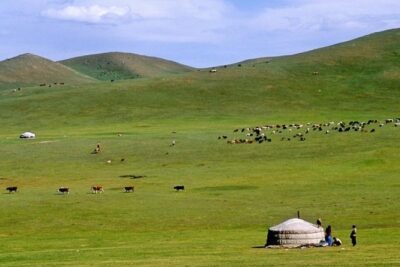
The tour includes breakfast with a nomad family before you start driving to Yolyn Am. That’s the part that gives this day emotional weight, because it shifts you from scenery mode to human connection.
Admission is listed as free for this day. That’s nice, but the real attraction is the combination: food first, then geography. Expect the “walk and look” style, not a long, staged show.
Other week-long Mongolia expeditions
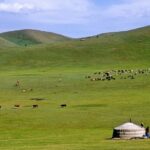
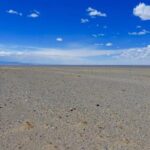
Khongoriin Els singing dunes: the Gobi’s big sound and big scale
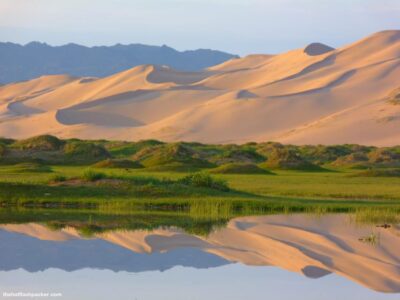
Day 4 is Hongorïn Els, also called Khongoriin Els or the singing dunes. The listing points out that they are the largest sand dunes in Mongolia, and it gives specific scale numbers: about 200 m high and about 12 km wide.
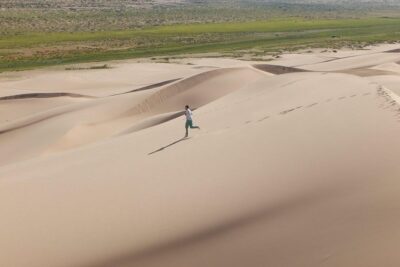
Dunes are where the Gobi feels most alive. The ground moves when wind changes, and the colors shift quickly as clouds roll in. This day is a reminder that “desert” does not mean empty, it means active weather and constant texture.
Admission is free. The only practical drawback is that sand days can be physically tiring, especially if the wind picks up. Bring something to protect your eyes and cover your legs, and don’t plan on ultra-light footwear.
Ongiin monastery ruins at Saikhan Ovoo: spirituality and quiet history
Day 5 takes you to Ongiin Khiid, also referred to as Ongi Monastery ruins. You’ll drive to Saikhan Ovoo, and the day is structured around lunch first, with lunch in the Bayanzag area mentioned in the schedule.
The description frames Ongiin Khiid as an active small monastery site, not just abandoned stones. That difference matters. Ruins can feel like dead history, but an active site tends to feel like you’re stepping into something that still matters locally.
Admission is listed as included on this day. For value, that’s a win because you’re paying for the access that day, not just the drive.
A consideration: monastery ruins are meaningful places. Keep your posture respectful, keep your voice down, and treat it like a living community spot, even if parts are in ruins.
Baga Gazariin Chuluu: caves, petro glyphs, burial mounds, and Choir monastery
Day 6 is Baga Gazariin Chuluu, a stop that leans hard into textures and traces. The listing says you can see Bolort Cave, an eye treatment spa, rock images, petro glyphs, and burial mounds. It also mentions a ruin of Choir monastery established by Zaya Damdin, a famous ancient historian figure (as described in the listing text).
Admission is included on this day. That helps justify the cost for the mid-to-late week, since these are the kinds of stops where guided interpretation makes a big difference.
One practical note: when you’re looking at rock art and glyphs, you want the guide to explain what to look for and where to stand. That is where a strong guide and steady pace really pay off, because you’ll get more meaning from the details instead of just snapping distant pictures.
Day 7 back to Ulaanbaatar: how to land the trip without burnout
Day 7 brings you back to Ulaanbaatar, with the listing estimating about 6 hours of driving. Admission is free for this final day, which fits the idea that you’re returning rather than adding another structured attraction.
This is the day to pack smart for comfort. Long drives can be dry and tiring, and if your itinerary already includes walking, you’ll feel it in your legs. I’d plan for a quiet evening back in the city.
If you have a flight the same day, it’s worth checking how realistic timing will be for your exact departure. The trip ends back at the meeting point area.
The guides and driver, and why that affects your whole week
A tour like this rises or falls on the team behind the wheel and the person translating what you’re seeing. The feedback around Danista Nomads highlights that the driver and guides can make you feel safe and confident, and that the itinerary stays paced.
In past departures, people have named Tomuro as an expert driver, and Singu Ratler as a guide and photographer. Others have mentioned guides like Saruul and Nomin, praised for competence and for making adjustments to fit wishes when possible.
You should also pay attention to how photography is handled. A “photographer guide” role usually means you get help with viewpoint choice and timing, and you are less likely to waste time hunting for the perfect angle.
Even if you do not care about taking photos, good guidance still matters. It helps with timing at dunes and gorges, it helps you understand what you’re looking at, and it helps keep the day smooth.
Price and value: what $1,400 buys you in the Gobi
At $1,400 per person, this is not a cheap excursion. The value comes from the overall package: a private group experience, pickup offered, a 7-day itinerary packed with major sites, and admissions covered on multiple days.
Part of the price logic is simple. You are paying for transportation into remote areas plus the work of guiding you through places that are not self-explanatory. If you tried to DIY this route, you would spend money on drivers, vehicles, and planning, then still risk missing context at the sites.
Comfort is another piece, and the feedback you have suggests accommodations and food are generally good if you are not vegetarian or vegan. If you are vegan or strictly vegetarian, the “value” could shrink unless you confirm meal plans in advance.
Group discounts are also listed. If you can travel with friends and share your group size, you may stretch the budget further while keeping the private feel.
Also, you get a mobile ticket. That’s a small point, but it reduces friction, especially on the road.
What to pack for this week in the Gobi
This tour requires good weather, and the itinerary is outdoors and spread across varied terrain. You’ll want to plan for dust, sun, and uneven ground.
Bring:
- Layers for mornings and late afternoons, when temperatures can swing
- Closed-toe shoes with grip for rock and sand
- A hat, sunglasses, and sunscreen
- Something to protect your eyes from blowing dust
If you’re sensitive to long drives, a neck pillow or scarf can help, since the road time is built into the schedule. For cameras, extra batteries matter in colder early hours and when you are using them often.
Is the “adventure and authenticity” fit for you?
This tour is a strong match if you want the Gobi to feel real, not scripted. You should like wide-open spaces, enjoy geological sights like cliffs and dunes, and be willing to spend time with local life through that nomad breakfast moment.
It’s also a good fit if you like structure. The itinerary is sequenced logically: granite to cliff to gorge to dunes to monastery ruins to rock art and caves. That flow helps your brain connect the region.
Consider skipping or at least ask questions first if:
- You need consistent vegan or vegetarian meals
- You hate long driving days and prefer city-based tours
- You want lots of indoor time or high-comfort facilities every day
Should you book this 7 days Great Gobi Tour?
I think this is a solid booking if you want a first real Gobi experience that still includes people time and guiding. The best parts are the nomad breakfast at Yolyn Am, the iconic Gobi stops like Tsagaan Suvarga and Khongoriin Els, and the practical team support described through drivers and guides named in feedback.
I’d book with a couple of questions ready. Ask what meal options look like for your diet, and ask how the guide plans timing if wind or weather changes. If you do that, you’ll keep the trip smooth and focus on what matters most.
If your priority is maximum comfort and zero driving, you may be happier with a shorter or more city-centered plan. If your priority is adventure with meaning, this week has a clear purpose and a good pace.
FAQ
How long is the 7 days Great Gobi Tour?
The tour duration is about 7 days.
What is the meeting point and start time?
The tour starts at Danista Nomads, Orkhon Street 1-37, BGD 16 khoroo, Ulaanbaatar 16040, Mongolia, with a start time of 8:30 am. Pickup is offered.
How much does the tour cost?
The price is $1,400.00 per person.
Is this a private tour?
Yes. The tour is described as private, with only your group participating.
Are entrance tickets included?
Some days list free admission (days 1 to 4 and day 7), while days 5 and 6 list admission as included.
What stops are included during the week?
The itinerary includes Ikh Gazriin Chuluu Nature Reserve, Tsagaan Suvarga (White Stupa), Yolyn Am Ice Field, Hongorïn Els (singing dunes), Ongi Monastery ruins, Baga Gazariin Chuluu, and a return day to Ulaanbaatar.
When do you receive confirmation?
Confirmation is received at the time of booking.
What is the cancellation policy?
You can cancel for free up to 24 hours in advance for a full refund. If you cancel less than 24 hours before the start time, the amount paid is not refunded. The tour requires good weather, and if it is canceled due to poor weather, you are offered a different date or a full refund.
More Mongolia Tours in the Same Bracket
- Genghis Khan Statue Day Tour+National Park+Camel Ride+Eagle
★ 4.5 · 261 reviews - From Ulaanbaatar: Central Mongolia Guided 3-Day Tour
★ 4.6 · 186 reviews - Ulaanbaatar: Small Group 3-Day Best of Central Mongolia Tour
★ 4.1 · 171 reviews - Terelj national park transport /Best price tour
★ 4.7 · 135 reviews - Ulaanbaatar: Chinggis Khaan Statue and Turtle Rock Day Tour
★ 4.7 · 132 reviews
More Tour Reviews in Ulaanbaatar
- From Ulaanbaatar: Genghis Khan Statue NationalPark CamelRide
★ 4.8 · 353 reviews - Genghis Khan Statue Day Tour+National Park+Camel Ride+Eagle
★ 4.5 · 261 reviews - From Ulaanbaatar: Central Mongolia Guided 3-Day Tour
★ 4.6 · 186 reviews - Ulaanbaatar: Small Group 3-Day Best of Central Mongolia Tour
★ 4.1 · 171 reviews - Terelj national park transport /Best price tour
★ 4.7 · 135 reviews
Deeper Into the Gobi
- Ulaanbaatar: Semi-Gobi Desert Day Trip & Camel Ride
★ 4.0 · 92 reviews - Best 6-Day Gobi Tour Discover Mongolia
★ 4.9 · 13 reviews - Travel to Gobi by train Visit World energy Center
★ 4.9 · 12 reviews - 8 Days Tour: Gobi Desert And Kharkhorin
★ 5.0 · 10 reviews - 1 Day Semi-Gobi Tour with Lunch And Enjoying Camel or Horseback
★ 5.0 · 9 reviews
Still fixing the route? Other Mongolia trips we have written up
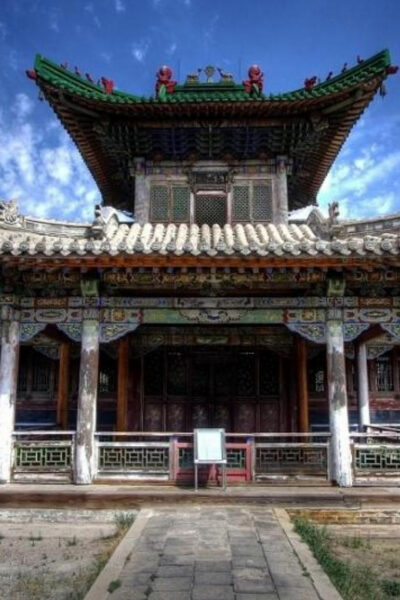
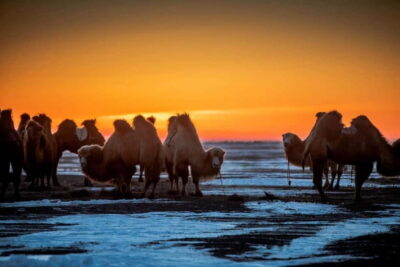

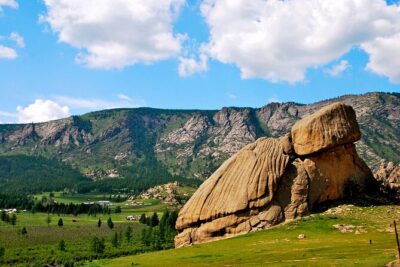
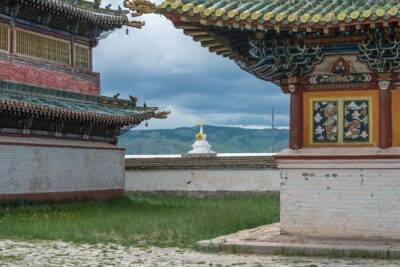
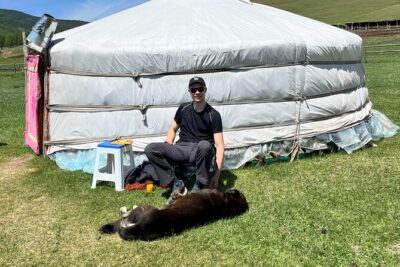
Gobi Desert Expeditions, side by side.
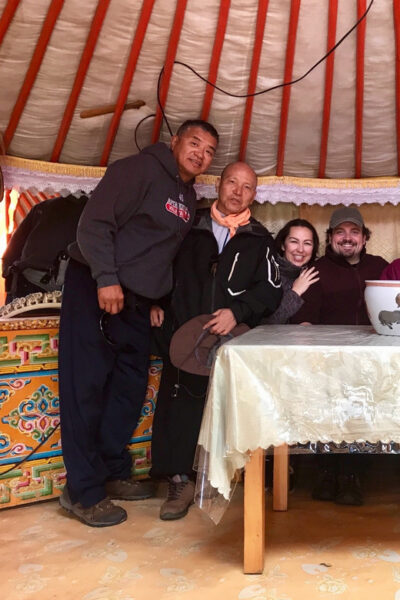 ★ 4.0Semi-Gobi Desert Day Trip & Camel RideFrom $17592 reviews
 ★ 4.9Best 6-Day Gobi Tour Discover MongoliaFrom $75013 reviews
 ★ 4.9Travel to Gobi by train Visit World energy CenterFrom $31012 reviews
 ★ 5.08 Days Tour: Gobi Desert And KharkhorinFrom $1,69310 reviews
 ★ 5.01 Day Semi-Gobi Tour with Lunch And Enjoying Camel or HorsebackFrom $1389 reviews
 ★ 5.0Gobi tour Mongolia 7 DaysFrom $1,2908 reviews
 ★ 4.57 days Central Mongolia and Great GobiFrom $1,5007 reviews
 ★ 4.9Bus tour to visit Gobi 4 dayFrom $6907 reviews
This tour also appears in